trump Paranormal Brazil: Paranormal Brazil: Politics, Folklore, and
Updated: April 9, 2026
Investigating the Unseen: Equipment and Techniques Used in Paranormal Studies
The allure of the paranormal has captivated human curiosity for centuries. Stories of ghosts, spirits, and unexplained phenomena have been recounted across cultures, and today, with the aid of modern technology, paranormal investigators seek to explore these mysterious occurrences. While skepticism remains, the field of paranormal studies is continually evolving, employing sophisticated equipment and innovative techniques. This post delves into the tools and methods used by investigators to explore the unknown.
The Quest for Evidence: An Overview
Paranormal investigation is built on the quest for evidence. Investigators aim to capture, document, and analyze phenomena that defy logical explanation. The primary objective is to gather credible evidence that can be scrutinized and discussed within both scientific and spiritual communities.
Essential Equipment in Paranormal Studies
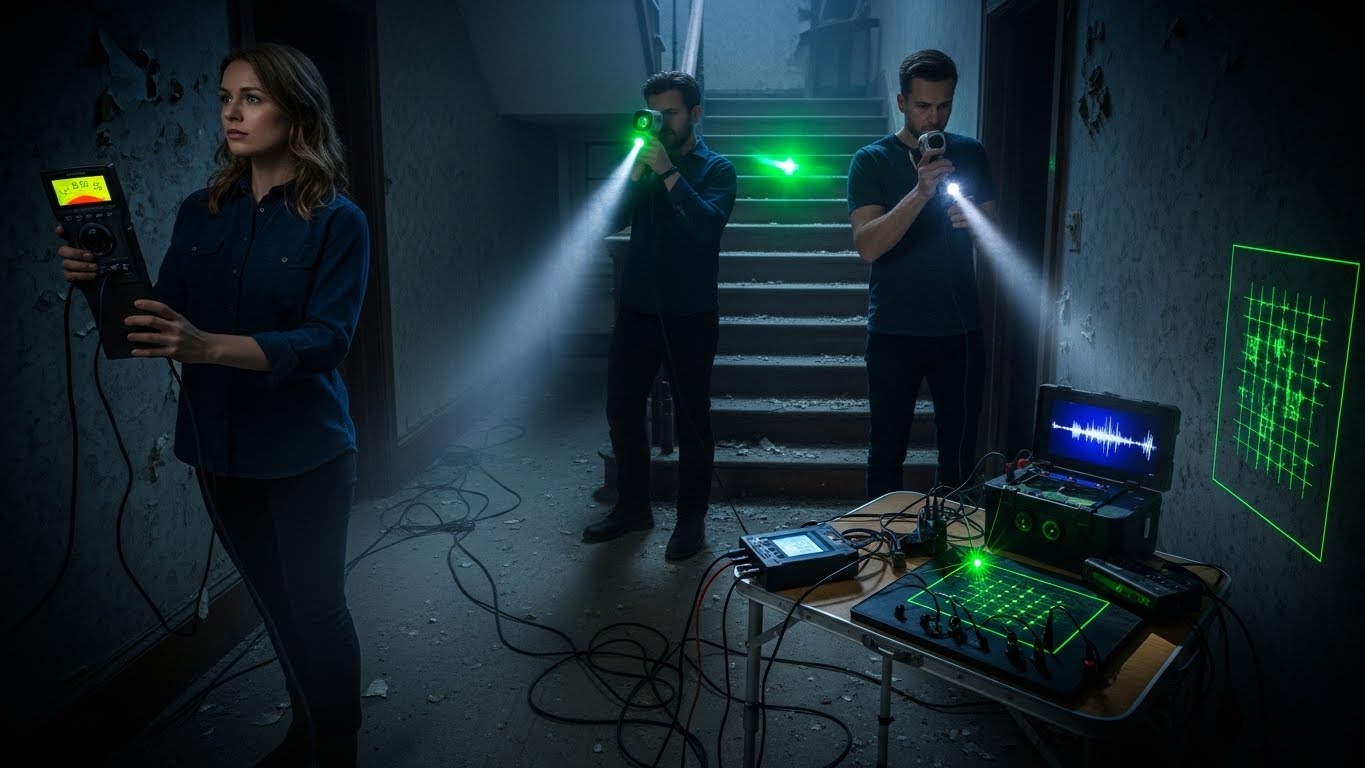
Modern paranormal investigators rely on a wide array of equipment, each serving a specific purpose in their quest to capture evidence of the supernatural. Here are some of the most commonly used tools:
1. EMF Meters
Electromagnetic Field (EMF) meters are designed to detect fluctuations in electromagnetic fields, which are believed to accompany paranormal activity. These devices can identify both natural and unnatural changes in the environment, helping investigators pinpoint areas of interest. While skeptics question the reliability of EMF meters in identifying ghosts, they remain a staple in investigations.
2. Digital Voice Recorders
Electronic Voice Phenomena (EVP) are sounds found on electronic recordings that resemble speech but are not heard during the recording. Investigators use digital voice recorders to capture these voices, which are examined for any unexplained auditory occurrences. The analysis of EVPs is one of the most intriguing aspects of paranormal studies, offering potential insights into communication from beyond.

3. Infrared Thermometers and Thermal Cameras
Temperature fluctuations often accompany paranormal activity, according to anecdotal evidence. Infrared thermometers and thermal cameras allow investigators to measure and visualize temperature changes in real-time. Cold spots, or sudden drops in temperature, are frequently reported during alleged paranormal events.
4. Night Vision and Full Spectrum Cameras
Cameras equipped with night vision or full spectrum capabilities enable investigators to capture images and videos in low-light conditions. These devices can reveal anomalies invisible to the naked eye, providing additional data for analysis. Full spectrum cameras, in particular, capture a wider range of light, potentially revealing entities or movements otherwise unseen.
5. Motion Detectors and Trigger Objects
Motion detectors alert investigators to movement in a specified area, which can be particularly useful in monitoring unoccupied spaces. Trigger objects, such as toys or coins, are strategically placed to encourage interaction from spirits, and any movement is documented for further study.
Techniques in Paranormal Investigations
Beyond equipment, investigators use a variety of techniques to enhance their investigations. These methods often blend scientific inquiry with traditional beliefs.
1. The Scientific Approach
Many investigators strive to follow a scientific method, meticulously recording data and maintaining objectivity. By using controlled environments and repeatable experiments, they aim to remove any doubt regarding their findings. This approach involves skepticism and rigorous analysis, ensuring that any claims of paranormal activity are supported by substantial evidence.
2. Historical Research
Understanding the history of a location can provide context for potential paranormal activity. Investigators often delve into historical records and conduct interviews with witnesses to gather background information. This research can reveal patterns and correlations that may explain current phenomena.
3. Psychic Mediums
Some investigations incorporate the abilities of psychic mediums, who claim to communicate with spirits. While controversial, mediums can provide insights and direction during investigations. Their experiences and impressions are typically recorded and evaluated alongside other data.
4. Controlled Experiments
To validate findings, investigators frequently conduct controlled experiments. This may involve recreating conditions under which paranormal activity was initially reported to see if the phenomena can be replicated. Such experiments are crucial in distinguishing natural occurrences from potential supernatural ones.
Challenges and Criticism
Paranormal studies face significant challenges, particularly regarding the validation and acceptance of evidence. Critics argue that much of the evidence can be attributed to psychological factors, environmental conditions, or technological malfunctions. Additionally, the subjective nature of experiences makes it difficult to establish scientific consensus.
The lack of concrete evidence has led some to view paranormal studies as pseudoscience. However, many investigators continue their work, driven by personal experiences and the possibility of uncovering truths about the unknown. The field thrives on curiosity and the hope of expanding our understanding of reality.
The Future of Paranormal Studies
As technology advances, so too will the methods and efficacy of paranormal investigations. The integration of cutting-edge technology such as artificial intelligence and machine learning may offer new avenues for analysis and interpretation. Furthermore, collaboration with scientific fields such as psychology and physics may lead to more comprehensive approaches to studying the paranormal.
Takeaways
The pursuit of understanding the unseen is both fascinating and complex. While the evidence remains inconclusive, the dedication of paranormal investigators continues to push the boundaries of what we know. As they employ both time-honored techniques and modern technology, the quest to uncover the mysteries of the paranormal persists. Whether one is a skeptic or a believer, the study of paranormal phenomena challenges us to explore the limits of science and the potential existence of realms beyond our own.
Public Perception and Media Influence
The portrayal of paranormal investigations in media has significantly shaped public perception. Television shows, movies, and documentaries often dramatize the process, sometimes sacrificing accuracy for entertainment value. While this has helped increase interest and curiosity in the field, it has also led to misconceptions about the nature of paranormal research.
Media representation can influence both the expectations of the public and the methodologies adopted by investigators. For instance, the dramatization of tools like spirit boxes or ouija boards can lead to misunderstandings about their practical applications and limitations. Despite these challenges, the media continues to be a powerful tool for educating and engaging audiences on the complexities of paranormal studies.
Ethical Considerations in Paranormal Investigations
Investigating the paranormal raises several ethical questions. Respect for privacy and sensitivity towards individuals who have experienced potentially traumatic events is paramount. Investigators must navigate these situations carefully, ensuring that their pursuit of evidence does not exploit or harm those involved.
Furthermore, the potential psychological impact on investigators themselves must be considered. Engaging with the unknown can be unsettling and may affect mental well-being. Establishing clear ethical guidelines and support systems is crucial to ensure the responsible conduct of paranormal research.
Community and Collaboration
The field of paranormal studies benefits greatly from collaboration and community involvement. Many investigators are part of larger networks or organizations that provide resources, training, and support. These communities foster the sharing of experiences and findings, contributing to a collective understanding of unexplained phenomena.
Collaboration with academic institutions and scientific researchers can also enhance the credibility and depth of investigations. By bridging the gap between traditional scientific inquiry and paranormal research, these partnerships can lead to more robust methodologies and potentially groundbreaking discoveries.
The Role of Cultural Context
Cultural beliefs and traditions play a significant role in shaping the understanding of paranormal phenomena. Different cultures have unique interpretations of what constitutes a ghost, spirit, or supernatural event. Recognizing and respecting these cultural differences is essential for investigators, as it influences both the nature of the phenomena and the appropriate methods of investigation.
Engaging with local communities and understanding their perspectives can provide valuable insights and lead to more culturally sensitive and effective investigations. This approach not only enriches the research but also fosters mutual respect and understanding between investigators and the communities they study.
Conclusion: The Ever-Evolving Journey
Paranormal studies remain a field of intrigue and controversy. As technology advances and methodologies evolve, investigators continue to push the boundaries of our understanding of the unseen. While conclusive proof of paranormal phenomena remains elusive, the journey itself is a testament to human curiosity and the enduring quest for answers.
Whether viewed through a scientific lens or a spiritual one, the study of the paranormal challenges us to rethink our perceptions of reality and accept the possibility that there may be more to our world than meets the eye. As we continue to explore the unknown, each investigation brings us one step closer to unraveling the mysteries that have captivated humanity for generations.
Embracing the Unknown
Embracing the unknown is a theme that resonates throughout the field of paranormal studies. It invites both practitioners and the public to open their minds to possibilities that extend beyond conventional wisdom. The willingness to explore these mysteries requires an acceptance of uncertainty and a readiness to question the limits of our current understanding.
The pursuit of the paranormal is not just about finding answers; it’s about expanding the horizons of human knowledge and experience. It encourages a dialogue between science and spirituality, fostering a deeper appreciation of the complexities of existence. By embracing the unknown, we allow for growth and innovation in both thought and technology.
Personal Experiences and Anecdotal Evidence
Personal experiences and anecdotal evidence continue to play a crucial role in paranormal studies. While often dismissed by skeptics, these accounts provide a rich tapestry of data that can guide investigations and offer insights into the human experience of the supernatural.
Gathering firsthand accounts from witnesses and participants can reveal patterns and commonalities in paranormal phenomena. This qualitative data, when combined with quantitative evidence collected through technological means, can create a more comprehensive picture of the events in question. Recognizing the value of these personal narratives is essential in advancing the field.
The Intrigue of the Paranormal
The allure of the paranormal lies in its mystery and the challenge it presents to our understanding of reality. It embodies the human spirit’s innate desire to explore and discover, to seek out the extraordinary within the ordinary. This intrinsic curiosity drives both amateur enthusiasts and seasoned investigators to delve into the unknown.
As the field of paranormal studies progresses, it will continue to attract those who seek to uncover the secrets of the unseen. The journey itself, filled with wonder and the promise of discovery, is an adventure that captivates the imagination and fuels the quest for knowledge.
Final Thoughts
The world of paranormal studies is vast and filled with intrigue, presenting opportunities for exploration and discovery. While the search for definitive proof continues, the journey offers valuable insights into the nature of belief, the power of technology, and the potential for human understanding to transcend boundaries.
Whether you are a believer, a skeptic, or simply curious, the exploration of the paranormal invites you to ponder the mysteries that lie beyond our immediate perception. As we continue to investigate the unseen, we are reminded of the vast potential of the human spirit to seek knowledge and embrace the unknown.