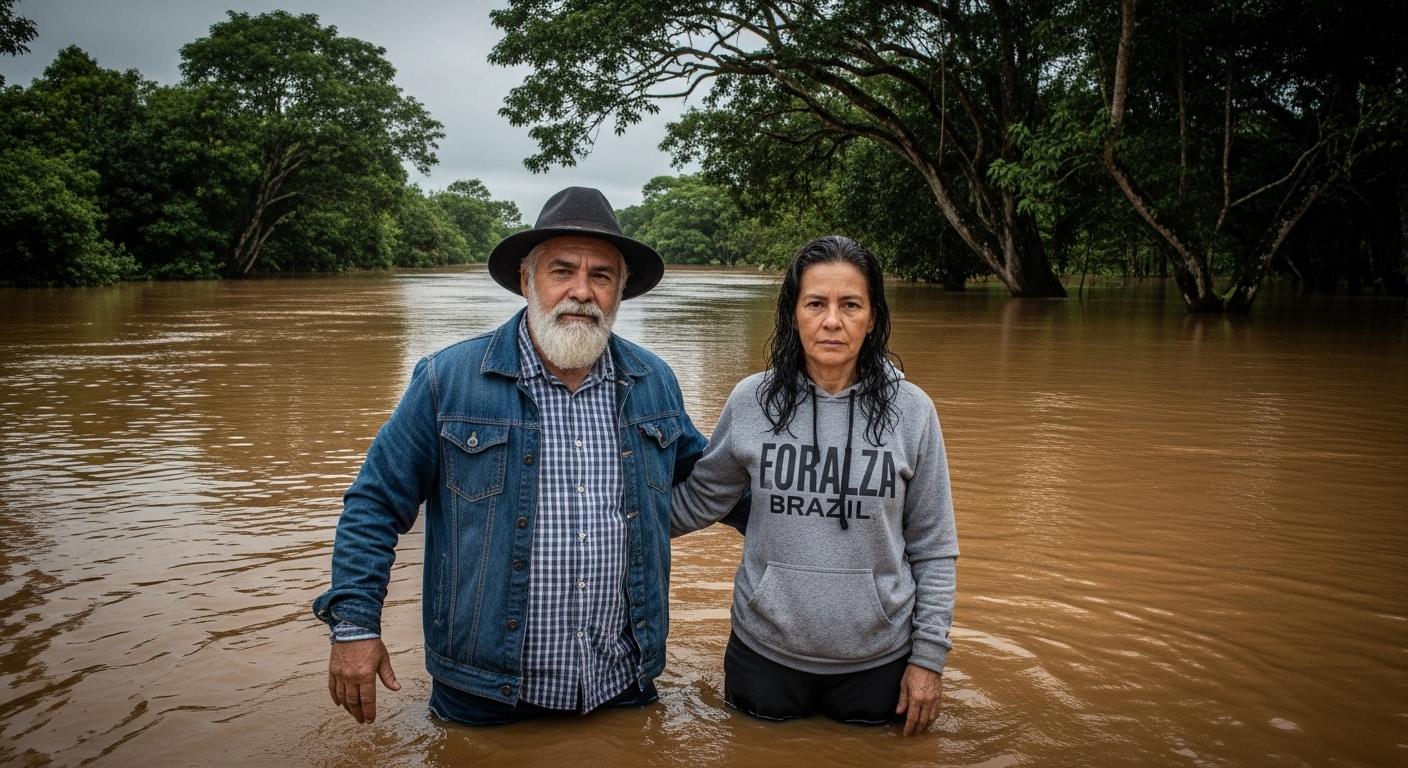
Flooded Brazilian town with rescue workers and folklore imagery.
Updated: April 9, 2026
Across Brazil, rumor and reverence share an arena as tangible as the field. The phenomenon surrounding neymar Paranormal Brazil has moved beyond fan lore into a culture of speculation that ties the country’s football fever to a broader sense of uncanny possibility. This analysis probes how such narratives arise, what they reveal about collective hopes, and how they shape public perception of stars, superstitions, and the sport’s place in national life.
Context: Brazil’s Haunted Football Culture
Brazil’s football culture sits at the intersection of play and ritual. Fans carry superstitions as if they were tactical tools—lucky charms, pre-match songs, and stadium chants that begin long before kickoff. Local legends, passed through generations, emphasize a sense that luck and fate tilt matches as much as skill and strategy. In this environment, the line between observed phenomenon and interpretation is thin; a sudden gust of wind in a domed stadium, a sudden echo in a empty corridor, or a sudden disappearance of a noise can be read as omens or signs. Such narratives are not simply entertainment; they reflect collective coping mechanisms in a country with volatile football fortunes and a deep hunger for meaning in the crowd’s roar.
Neymar as a Symbol in Paranormal Narratives
When a player of Neymar’s global profile enters folklore, stories gain the aura of a modern myth. The star’s charisma, social presence, and career ups and downs create a focal point for unanswered questions—why do moments feel “charged” when he is on the field? Media coverage, fan forums, and local legends converge to frame Neymar as a figure who might transcend ordinary sport. The result is a narrative ecology where claims about unexplained events attach to his name without measurable evidence, yet with tangible effects on fan behavior, ticket sales, and online discourse. This is not a denial of personal belief; it is an invitation to examine how celebrity, longing, and uncertainty interact on fertile ground for paranormal storytelling.
Patterns in Reports and Explanations
Analysts looking at Brazilian paranormal narratives note three parallel drivers. First, ambient theater: stadium acoustics, lighting, and crowds can produce perceptual illusions and emotional sensitivity that people interpret as supernatural. Second, social amplification: online posts, memes, and sensational headlines propel isolated anecdotes into widely shared stories. Third, cultural memory: Brazil’s history of spiritualism and folk belief leaves a readiness to interpret ambiguous events as meaningful, especially during high-stakes matches. Taken together, these factors produce a pattern where reports cluster around important fixtures, new signings, or moments of national football identity, even when there is no verifiable evidence behind the claim.
Crucially, observers should distinguish folklore from falsifiable claims. The same conditions that make a stadium feel electric—sound design, weather, and group emotion—also offer plausible natural explanations for strange experiences. In a careful reading, paranormal reports reveal more about the social dynamics of fandom than about any extraordinary occurrence.
Implications for Fans and Local Culture
For fans, these narratives can bolster community, provide shared rituals, and anchor hopes during lean years. For local communities, they can attract visitors, support storytelling economies, and enrich cultural identity. However, they can also distort perception, encourage sensationalism, or obscure critical issues around sports governance, mental health, and misinformation. A practical approach recognizes the cultural value of superstition while promoting responsible consumption of information: verify sources, avoid spreading unverified claims, and celebrate the country’s football heritage without compromising factual integrity.
Actionable Takeaways
- Differentiate folklore from verifiable facts; treat paranormal claims as culturally meaningful narratives rather than established events.
- Check sources: rely on reputable outlets and primary accounts when assessing extraordinary stories.
- Be aware of cognitive biases that influence attribution of events to supernatural causes, especially around big games or star players.
- Respect local traditions and fan rituals while fostering a culture of critical thinking and safe discussion.
- When traveling for matches, seek context from trained guides or local historians to understand legends responsibly.
Source Context
Selected sources and related coverage:
From an editorial perspective, separate confirmed facts from early speculation and revisit assumptions as new verified information appears.