Fact Or Fiction Demystifying The Myths Of Paranormal Science
Updated: April 9, 2026
Fact or Fiction: Demystifying the Myths of Paranormal Science
Paranormal science is a field often shrouded in mystery, skepticism, and intrigue. The term “paranormal” encompasses a wide range of phenomena, including ghosts, UFOs, telepathy, and other unexplained occurrences that defy conventional scientific explanation. Despite its controversial nature, paranormal science continues to captivate the imagination of many, leading to a plethora of myths and misconceptions. This article aims to demystify some of these myths, offering a balanced perspective on what is fact and what is fiction in the world of paranormal science.
Understanding Paranormal Science
Before delving into the myths, it’s crucial to understand what paranormal science entails. It is a field that attempts to apply scientific methods to investigate phenomena that are not readily explained by established scientific principles. Although many mainstream scientists dismiss paranormal studies as pseudoscience, there are dedicated researchers who strive to bring scientific rigor to the field.
The methodologies employed vary widely, from qualitative approaches like eyewitness interviews to quantitative ones, such as experiments and statistical analyses. Despite the varied approaches, the goal remains the same: to find empirical evidence that can either support or refute paranormal claims.
Common Myths in Paranormal Science
Myth 1: Paranormal Science Is Not Scientific
One of the most pervasive myths is that paranormal science lacks scientific credibility. Critics argue that because the phenomena under investigation are not repeatable or easily measurable, they fall outside the realm of scientific inquiry. However, this view overlooks the efforts made by researchers to apply scientific methods to paranormal studies. For example, organizations like the Society for Psychical Research have been conducting rigorous investigations since the late 19th century, contributing valuable data to the field.
Myth 2: Paranormal Phenomena Are Just Hoaxes or Illusions
While it’s true that some paranormal claims have been debunked as hoaxes, it is inaccurate to dismiss all such phenomena as mere illusions. Many occurrences remain unexplained despite thorough investigation. For instance, the phenomenon of near-death experiences has intrigued scientists for decades, leading to numerous studies that aim to understand the neurological and psychological aspects involved. The Stanford University School of Medicine has conducted research exploring the brain’s response during these experiences, lending credibility to the field.
Myth 3: Only Uneducated People Believe in Paranormal Phenomena
This myth is not only inaccurate but also dismissive. Paranormal beliefs are not confined to any specific demographic. Studies have shown that people from various educational backgrounds, including highly educated individuals, hold beliefs in paranormal phenomena. The Pew Research Center has conducted surveys that reveal a significant portion of the population, including college graduates, believe in ghosts and other supernatural occurrences.
The Role of Technology in Paranormal Investigations
Technology plays a pivotal role in modern paranormal investigations. With advancements in digital recording, thermal imaging, and electromagnetic field (EMF) detection, researchers now have sophisticated tools at their disposal to capture evidence of paranormal activity. For example, thermal cameras can detect temperature fluctuations that may indicate a paranormal presence, while EMF meters are used to measure electromagnetic anomalies in the environment.
The integration of technology into paranormal science has not only enhanced the credibility of investigations but also opened new avenues for research. However, it’s essential to note that these tools are not foolproof and should be used in conjunction with other methods to provide a comprehensive analysis of any given phenomenon.
Case Studies: Paranormal Phenomena in the Spotlight
To better understand the complexities of paranormal science, let’s explore a few well-documented case studies:
The Enfield Poltergeist
The Enfield Poltergeist is one of the most famous cases of alleged paranormal activity. Occurring in the late 1970s in Enfield, London, the case involved strange occurrences such as furniture moving on its own and unexplained knocking sounds. Investigators from the Society for Psychical Research were involved in examining the phenomena, which included audio recordings and eyewitness testimonies. Although skeptics have offered alternative explanations, the case remains a point of interest for paranormal researchers.
The Phoenix Lights
In 1997, thousands of people in Phoenix, Arizona, witnessed a series of lights in the sky, leading to widespread speculation about UFOs. The event, known as the Phoenix Lights, has been extensively studied and debated. While some attribute the lights to military flares, others believe they were evidence of extraterrestrial activity. The National Aviation Reporting Center on Anomalous Phenomena has analyzed reports and data related to the event, contributing to ongoing discussions about UFOs.
The Future of Paranormal Science
As technology continues to evolve, the future of paranormal science looks promising. Researchers are exploring new methodologies, such as virtual reality and artificial intelligence, to enhance investigations and analyze data more efficiently. Collaboration with mainstream scientific communities is also on the rise, fostering a more integrated approach to understanding paranormal phenomena.
Moreover, public interest in the paranormal shows no signs of waning. As more people become open to discussing and exploring these topics, the field will likely continue to grow, offering new insights and challenging our understanding of the world around us.
Conclusion: Separating Fact from Fiction
In conclusion, the myths surrounding paranormal science are as diverse as the phenomena themselves. While skepticism is a healthy part of scientific inquiry, dismissing the entire field as pseudoscience overlooks the genuine efforts made by researchers to apply rigorous methodologies. By demystifying these myths, we can foster a more informed and open-minded discourse on paranormal science, paving the way for future discoveries and greater understanding.
Whether you’re a skeptic or a believer, the allure of the unknown continues to captivate our imaginations, inviting us to question, explore, and ultimately, demystify the mysteries of paranormal science.
Ethical Considerations in Paranormal Research
Paranormal research, like any scientific endeavor, is not without its ethical considerations. Researchers must navigate issues related to the privacy and well-being of participants, especially when dealing with sensitive topics like hauntings or personal experiences of the supernatural. Ensuring informed consent and maintaining confidentiality are paramount to conducting ethical research.
Additionally, the potential psychological impact on participants must be considered. Experiences reported during paranormal investigations can be distressing, and researchers have an ethical responsibility to provide support or referrals to mental health professionals if needed. This is particularly crucial in cases involving vulnerable individuals or traumatic experiences.
Challenges in Paranormal Science
Paranormal science faces several challenges that can hinder the progress and acceptance of the field. One of the primary obstacles is the lack of standardized methodologies. With a wide array of approaches and tools, achieving consistency in research findings can be challenging. This inconsistency often leads to skepticism from the broader scientific community.
Funding is another significant challenge. Many paranormal researchers operate on limited budgets, relying on personal funds or small grants to conduct their studies. The lack of financial support can limit the scope of research and the ability to employ advanced technologies, which are often costly.
Moreover, the stigma associated with studying the paranormal can deter potential researchers from entering the field. Overcoming these challenges requires collaboration, open-mindedness, and a willingness to integrate paranormal research with mainstream scientific disciplines.
Popular Culture and Its Impact on Paranormal Science
Popular culture has played a pivotal role in shaping public perception of paranormal science. Movies, television shows, and literature often dramatize paranormal phenomena, leading to misconceptions and sensationalism. While this has contributed to increased interest and awareness, it can also result in unrealistic expectations and the spread of misinformation.
However, popular culture can also serve as a platform for education and engagement. Documentaries and well-researched media content can offer valuable insights and present paranormal science in a more balanced light. Shows like “Ghost Hunters” have brought paranormal investigations into the mainstream, highlighting the methodologies and challenges faced by researchers in the field.
Engaging the Public: Citizen Science and the Paranormal
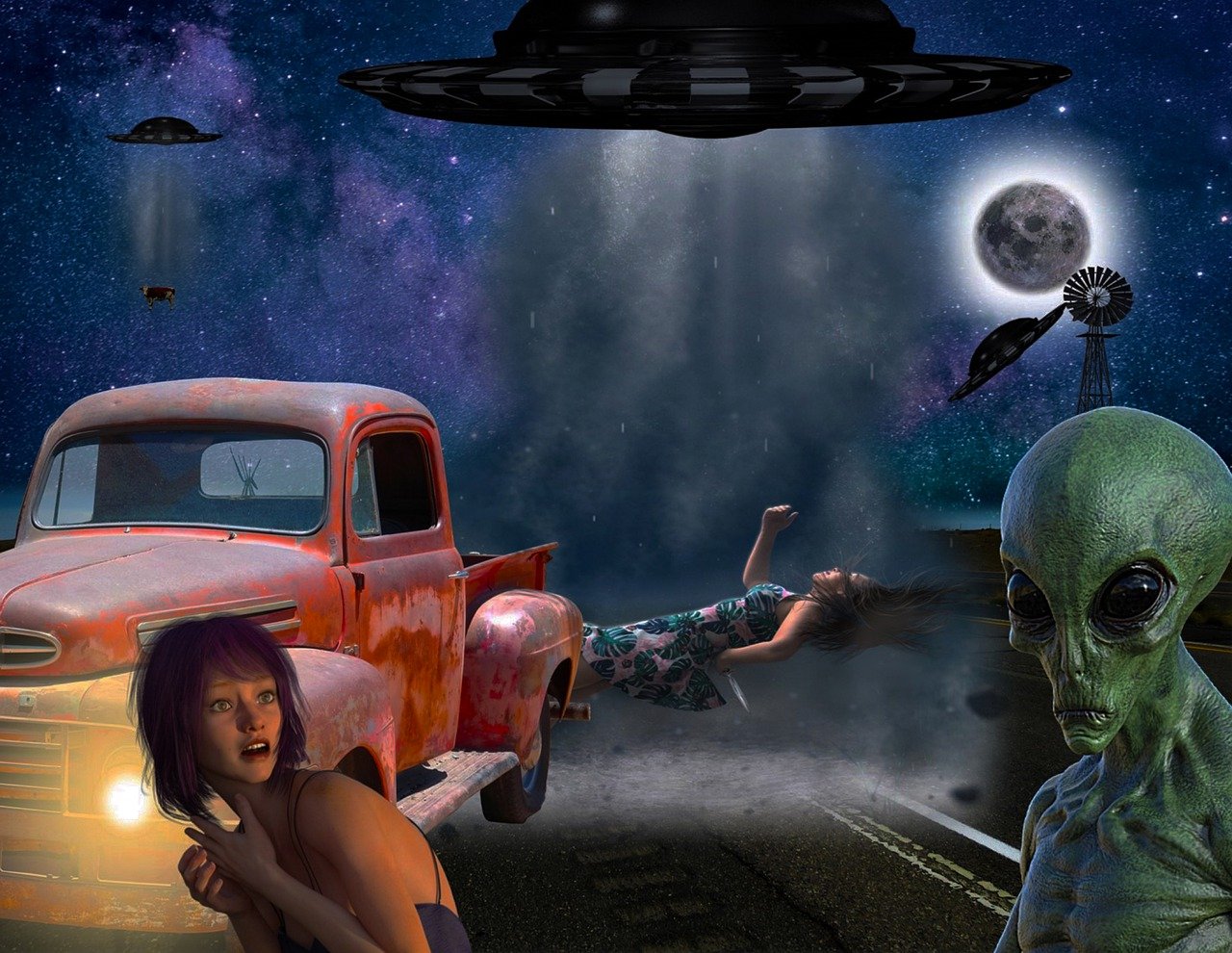
The rise of citizen science has opened new avenues for public engagement in paranormal research. By involving non-professional scientists in data collection and analysis, researchers can gather a broader range of observations and experiences. This participatory approach democratizes the research process, allowing for diverse perspectives and contributions.
Platforms for sharing experiences, such as online forums and social media groups, have also made it easier for people to report paranormal phenomena. These digital spaces provide researchers with a wealth of qualitative data, which can be analyzed to identify patterns and trends in paranormal activity.
Empirical Evidence: Bridging the Gap
One of the most significant hurdles for paranormal science is the need for empirical evidence that can withstand scientific scrutiny. While anecdotal evidence and personal testimonies are valuable, they often lack the rigor required for scientific validation. Bridging this gap requires innovative research designs that can produce replicable and quantifiable results.
Collaborations with experts in psychology, physics, and other scientific fields can enhance the credibility of paranormal studies. By adopting interdisciplinary approaches, researchers can develop more robust methodologies that integrate scientific principles with the unique challenges of studying the paranormal.
Conclusion: A Call for Open-Minded Exploration
In the realm of paranormal science, the line between fact and fiction is often blurred. However, by approaching the field with an open mind and a commitment to scientific rigor, researchers can continue to explore the mysteries that captivate our curiosity. Demystifying the myths surrounding paranormal science is not only about debunking false claims but also about fostering a deeper understanding of the unknown.
As we move forward, the collaboration between paranormal researchers and the broader scientific community will be essential in advancing our knowledge and acceptance of these phenomena. By embracing both skepticism and curiosity, we can pave the way for discoveries that challenge our perceptions and expand the boundaries of what we consider possible.