Whisk_7fd0bbf7965230a92f94a7361254120adr
Updated: April 9, 2026
Exploring the Science Behind Ghost Hunting: Tools and Techniques
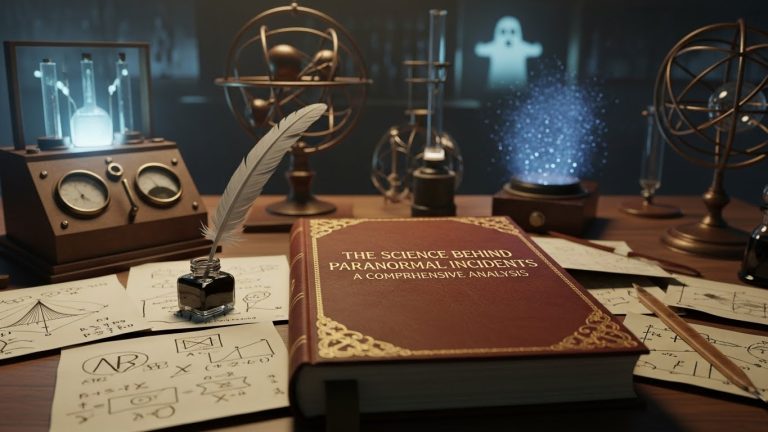
The concept of ghost hunting has intrigued humanity for centuries, blending elements of folklore, spirituality, and science. While skeptics often dismiss ghost hunting as pseudoscience, many enthusiasts believe that scientific principles can be applied to investigate the paranormal. This blog post delves into the intriguing world of ghost hunting, exploring the tools and techniques used by investigators and the science behind these practices.
The Historical Context of Ghost Hunting
Ghost hunting has a long history, with roots stretching back to ancient civilizations. Many cultures have their own versions of ghost stories and rituals designed to communicate with the spirit world. In the 19th century, the rise of spiritualism brought ghost hunting into the public eye, as mediums claimed to connect with the deceased. This period saw the beginning of attempts to apply scientific methods to paranormal investigations, laying the groundwork for modern ghost hunting practices.
Key Tools Used in Ghost Hunting
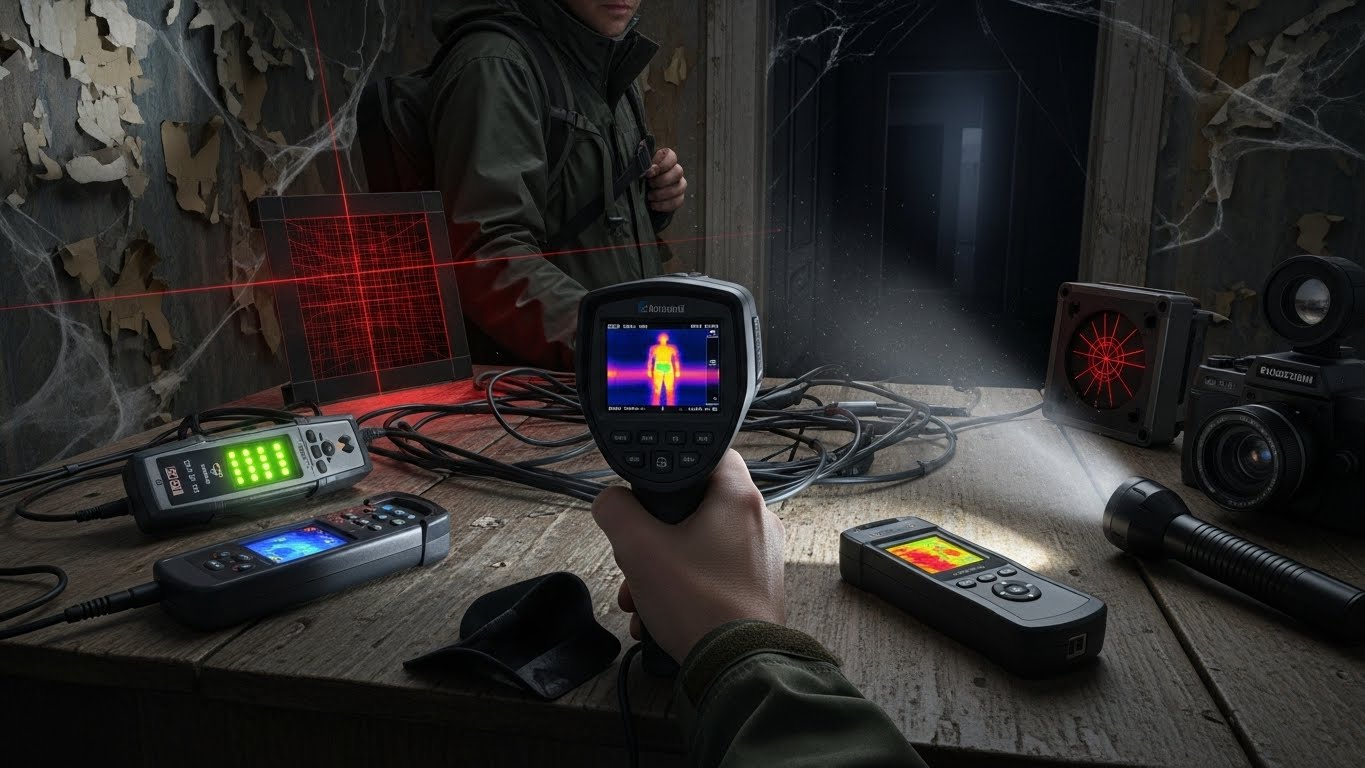
Modern ghost hunters rely on a variety of tools and technologies to detect and document paranormal activity. These tools are often inspired by scientific equipment used in other fields, such as physics and environmental studies. Here are some of the most commonly used tools in ghost hunting:
- EMF Detectors: Electromagnetic field (EMF) detectors are used to measure fluctuations in electromagnetic fields. Ghost hunters believe that spirits can disturb these fields, causing spikes or anomalies. EMF detectors are often used alongside other tools to corroborate evidence.
- Digital Voice Recorders: Also known as EVP (Electronic Voice Phenomena) devices, digital voice recorders capture audio that is often imperceptible to the human ear. Ghost hunters use these recordings to detect unexplained voices or sounds that may indicate a paranormal presence.
- Infrared Thermometers: These devices measure temperature changes in the environment. Sudden drops in temperature, known as “cold spots,” are believed to be associated with ghostly activity. Infrared thermometers allow investigators to document these changes accurately.
- Thermal Imaging Cameras: Thermal cameras detect heat signatures and variations in temperature, providing visual evidence of potential paranormal activity. They are particularly useful in capturing images of entities that may not be visible to the naked eye.
- Motion Sensors: Motion sensors can detect movement in a room or location. When set up in a haunted area, these devices can alert investigators to activity that might otherwise go unnoticed.
Scientific Theories in Ghost Hunting
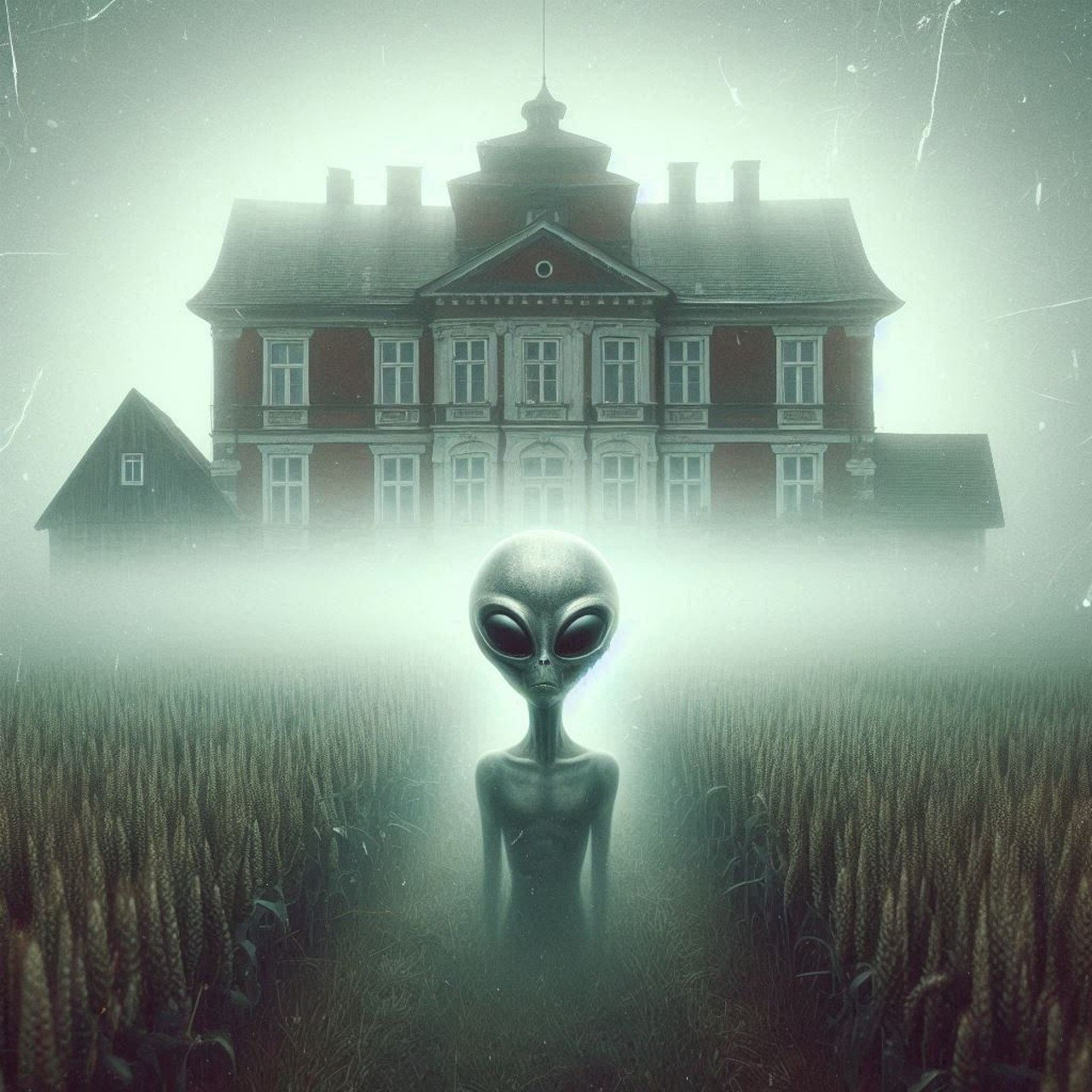
While ghost hunting is often viewed with skepticism, several scientific theories have been proposed to explain potential paranormal phenomena. One such theory involves electromagnetic fields. Some researchers suggest that variations in EMF readings could be influenced by environmental factors or technological interference. However, there is ongoing debate about whether such fields could also be altered by spiritual activity.
Another theory explores the role of infrasound, which refers to sound waves that are below the threshold of human hearing. Infrasound has been known to cause discomfort, anxiety, and even hallucinations in some cases. Ghost hunters hypothesize that infrasound might contribute to experiences of haunting, leading to misinterpretations of natural phenomena as supernatural occurrences.
Quantum physics also offers intriguing possibilities. Some scientists speculate that there may be alternate dimensions or parallel universes that could intersect with our own, providing a potential explanation for ghost sightings and interactions. This theory remains highly speculative but continues to capture the imagination of both scientists and ghost hunters alike.
Techniques for Conducting Investigations

Ghost hunting involves more than just the use of tools and technology. Investigators employ a range of techniques to gather evidence and analyze their findings. These techniques often blend scientific methods with intuitive approaches:
- Baseline Readings: Investigators begin by taking baseline readings of the environment, measuring EMF levels, temperature, and other factors. This helps them identify any anomalies that occur during the investigation.
- Controlled Experiments: Some ghost hunters conduct controlled experiments to test hypotheses about paranormal activity. These experiments may involve setting up specific scenarios to elicit responses or using multiple devices to validate findings.
- Historical Research: Understanding the history of a location can provide valuable context for an investigation. Researchers often delve into archives and historical records to uncover past events that might explain current hauntings.
- Psychic and Medium Involvement: Some ghost hunting teams include psychics or mediums who claim to have the ability to communicate with spirits. While their involvement is controversial, many teams believe that these individuals can provide insights that complement scientific data.
Challenges and Controversies
Ghost hunting is not without its challenges and controversies. One major issue is the lack of standardized methodology. The field lacks a universally accepted framework for conducting investigations, leading to varying practices and interpretations of evidence.
Another challenge is the potential for false positives. Many of the tools used in ghost hunting are sensitive to environmental factors that can be easily misinterpreted as paranormal activity. For example, faulty wiring or electronic devices can cause EMF detectors to register false readings.
Despite these challenges, the fascination with ghost hunting continues to grow. Television shows, books, and online communities have popularized the practice, attracting a diverse range of participants. While skeptics remain unconvinced, proponents argue that the field is evolving and that scientific advancements may eventually provide more conclusive evidence.
The Future of Ghost Hunting
The future of ghost hunting lies in the integration of new technologies and scientific research. As technology advances, ghost hunters are likely to adopt more sophisticated equipment, such as AI-powered analysis tools and enhanced imaging devices. These innovations could help investigators capture more reliable data and deepen our understanding of potential paranormal phenomena.
Collaboration with the scientific community is also crucial. By working alongside researchers from fields such as psychology, physics, and environmental science, ghost hunters can develop more rigorous methodologies and contribute to a greater understanding of the unexplained.
Ultimately, ghost hunting remains a fascinating intersection of science and mystery, inviting us to explore the boundaries of our understanding of reality. Whether or not definitive proof of the paranormal is ever discovered, the pursuit of knowledge and the quest to unravel the mysteries of the unknown are bound to continue.
Takeaways
Ghost hunting is an intriguing blend of science, curiosity, and the supernatural. While skeptics may question the validity of the field, the use of scientific tools and techniques offers a compelling approach to investigating the unknown. As technology advances and our understanding of the world deepens, the potential for uncovering the secrets of the paranormal grows ever more promising.
For those interested in exploring the science behind ghost hunting further, resources like the Rhine Research Center and the Society for Psychical Research offer valuable insights into the study of parapsychology and related phenomena. Whether you’re a seasoned investigator or a curious skeptic, the world of ghost hunting invites you to explore the mysteries that lie beyond our everyday experience.
Real-Life Experiences and Case Studies

While scientific exploration plays a significant role in ghost hunting, personal experiences and case studies also contribute to the field’s allure. Many ghost hunters share stories of encounters that defy explanation, offering anecdotal evidence that fuels public interest. These narratives often involve well-documented locations renowned for their haunted history.
One famous example is the Winchester Mystery House in California, USA. This sprawling mansion, built by Sarah Winchester, is said to be haunted by the spirits of those killed by Winchester rifles. With its labyrinthine architecture and mysterious design choices, the house has become a popular site for ghost hunters seeking to capture evidence of paranormal activity.
Another notable case is the Borley Rectory in Essex, England, often referred to as “the most haunted house in England.” Reports of spectral figures, unexplained footsteps, and strange sounds have intrigued investigators for decades, making it a focal point for paranormal research.
The Role of Media in Ghost Hunting
The media has played a crucial role in shaping public perception of ghost hunting. Television shows such as “Ghost Hunters” and “Paranormal State” have brought the thrill of investigations into living rooms worldwide, sparking interest and debate about the existence of spirits. These programs often dramatize investigations, showcasing both the excitement and challenges faced by ghost hunters.
While these shows have popularized ghost hunting, they also face criticism for sensationalizing the field and sometimes sacrificing scientific rigor for entertainment value. Despite this, they have undeniably increased interest in the paranormal and inspired many to explore ghost hunting as a hobby or profession.
Ethical Considerations in Ghost Hunting
As with any field of research, ethical considerations are essential in ghost hunting. Investigators must respect the locations they explore and the individuals connected to them. This includes obtaining proper permissions, avoiding trespassing, and being sensitive to the feelings of those who may be affected by the investigations.

Furthermore, presenting findings responsibly is crucial. Ghost hunters must carefully analyze data and avoid jumping to conclusions based solely on personal beliefs or preconceived notions. By approaching investigations with an open mind and a commitment to objectivity, the credibility of the field can be enhanced.
Community and Collaboration in Ghost Hunting
The ghost hunting community is diverse, consisting of amateur enthusiasts, professional investigators, and researchers from various disciplines. Collaboration within this community is vital for sharing knowledge, refining techniques, and advancing the field.
Online platforms, forums, and social media groups provide spaces for enthusiasts to connect, share experiences, and discuss theories. These communities foster a sense of camaraderie and collective learning, enabling ghost hunters to benefit from each other’s expertise and insights.
Additionally, partnerships with academic institutions and scientific organizations can bridge the gap between paranormal investigation and mainstream science. By working together, ghost hunters and researchers can develop new methodologies, refine existing tools, and contribute to a broader understanding of the unexplained.
The Continuing Quest for Answers
Despite the challenges and controversies surrounding ghost hunting, the quest for answers continues to captivate those who are drawn to the mysteries of the paranormal. Whether motivated by personal experiences, scientific curiosity, or a desire to explore the unknown, ghost hunters embark on a journey that blends elements of adventure, discovery, and wonder.
As technology advances and our understanding of the natural world deepens, the potential for unlocking the secrets of the supernatural grows. Whether or not definitive evidence of ghosts is ever found, the pursuit itself enriches our understanding of the world and our place within it.
For those interested in delving deeper into the science and art of ghost hunting, resources such as the Parapsychological Association and the Association for the Scientific Study of Anomalous Phenomena offer valuable insights and opportunities for exploration. Through collaboration, research, and an open-minded approach, the field of ghost hunting will continue to evolve, inviting us to explore the mysteries that lie beyond our everyday experience.