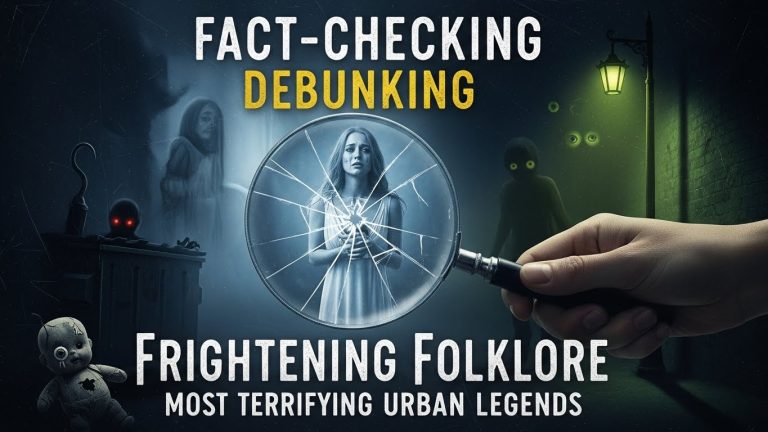
Urban Legends Around The Globe A Comparative Study
Updated: April 9, 2026
Urban Legends Around the Globe: A Comparative Study
Urban legends have been a part of human culture for centuries, weaving tales that are sometimes terrifying, sometimes humorous, and often rooted in the moral fabric of society. These stories are passed down through generations, often evolving with each retelling to reflect contemporary fears and values. As a fascinating aspect of cultural folklore, urban legends offer insights into the collective psyche of different societies. This blog post will delve into the nature of these legends, comparing them across various cultures and examining their significance.
The Nature of Urban Legends
Urban legends are modern folklore, often characterized by their mysterious or macabre themes. Unlike myths or fairy tales, urban legends are usually set in contemporary times and often involve elements of the supernatural, crime, or unexplained phenomena. These stories typically spread via word of mouth, though today they often proliferate through the internet and social media.
One reason urban legends endure is their ability to evoke strong emotional responses. Fear, curiosity, and even amusement play a role in ensuring these stories are told and retold. Moreover, urban legends often reflect societal concerns, acting as cautionary tales about contemporary issues such as technology, crime, and the unknown.
American Urban Legends: Reflecting Fears of the New World

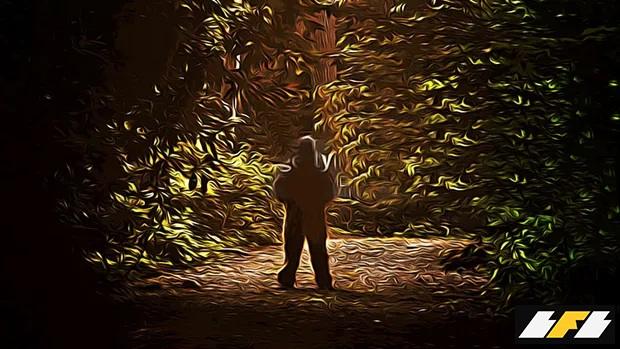
The United States, with its diverse cultural backdrop, boasts a variety of urban legends that capture the nation’s unique blend of fear and curiosity. One well-known legend is Slender Man, a faceless, elongated figure said to stalk children. This legend speaks to fears surrounding child safety and the influence of internet culture.
Another famed American legend is the story of the Bloody Mary. The tale involves summoning a ghostly figure by chanting her name in front of a mirror. Bloody Mary reflects deeply rooted fears about the supernatural and the unknown, often serving as a test of bravery for young people.
European Urban Legends: History and Mystery
Europe, with its rich historical tapestry, offers urban legends that often intertwine with history. In the United Kingdom, the legend of Spring-heeled Jack—a mysterious figure capable of making extraordinary leaps—captured public imagination in the 19th century. This legend might have arisen from societal anxieties about the rapid changes brought by the Industrial Revolution.
In Germany, the tale of the Lindworm—a dragon-like creature—has persisted through the ages. Such stories reflect the deep-seated fear of nature and the unknown, as well as a fascination with creatures that defy the normal boundaries of existence.
Asian Urban Legends: Tradition Meets the Supernatural
Asia’s urban legends often blend traditional beliefs with modern fears. In Japan, the tale of the Kuchisake-onna or “Slit-Mouthed Woman” is a chilling story about a woman who asks potential victims if they think she is beautiful, removing her mask to reveal a horribly disfigured face. This legend highlights themes of vanity and the consequences of actions, reflecting societal values around beauty and honesty.

Meanwhile, in Thailand, the legend of the Nang Tani speaks of a female ghost who haunts banana trees. Such tales often incorporate local cultural elements and highlight the connection between humans and the natural environment, serving as a reminder of the respect owed to nature.
African Urban Legends: Ancestral Voices and Modern Fears
Africa’s urban legends are deeply rooted in the continent’s diverse cultures and histories. In South Africa, the story of the Tokoloshe, a mischievous and sometimes malevolent creature, is a prominent part of Zulu and Xhosa folklore. This legend embodies fears of the supernatural and unknown, and showcases how stories can serve as explanations for natural events and personal misfortunes.
Nigeria’s urban legends often involve tales of spiritual figures or deities intervening in the lives of humans. These stories reflect the strong spiritual traditions that persist in many African cultures, acting as both entertainment and moral guidance.
Comparative Analysis: Common Themes and Unique Variations
Across the globe, urban legends share common themes of fear, morality, and curiosity, yet they also exhibit unique variations that reflect local cultures. While American legends may focus on contemporary fears, such as technology or urban crime, European stories often intertwine with historical events or figures.

Asian legends frequently incorporate supernatural elements that reflect traditional beliefs, while African stories often emphasize the spiritual world’s influence on the physical realm. Despite these variations, urban legends universally serve as a means for societies to explore fears, impart moral lessons, and connect with cultural heritage.
Conclusion: The Enduring Power of Urban Legends
Urban legends continue to captivate audiences around the world, evolving with time to reflect societal changes and enduring fears. These tales offer a window into the collective psyche of cultures, revealing both common human concerns and unique cultural nuances. As society progresses and new fears emerge, urban legends will undoubtedly continue to evolve, providing insight into the ever-changing landscape of human emotion and belief.
By understanding the themes and variations of urban legends across cultures, we gain a deeper appreciation for the ways in which these stories shape and reflect the human experience. Whether they incite fear, provide cautionary tales, or simply entertain, urban legends remain an integral part of the global folklore tapestry.
The Role of Urban Legends in Modern Society
As the world becomes increasingly interconnected, urban legends have found new life on digital platforms. Social media, in particular, serves as a breeding ground for new legends and the propagation of older ones. The viral nature of the internet allows these stories to reach a global audience almost instantaneously, transcending geographical and cultural boundaries.

One significant impact of this digital dissemination is the blending of cultural stories. For example, a legend originating in one part of the world can quickly be adapted to resonate with audiences in another region, leading to hybrid tales that incorporate elements from multiple cultures. This phenomenon not only keeps urban legends alive but also enriches them, adding layers of complexity and meaning.
Urban Legends and Cultural Identity
Urban legends play a crucial role in shaping and reflecting cultural identity. They often highlight specific societal values or concerns, acting as a mirror to the cultures from which they originate. For instance, the enduring popularity of the Loch Ness Monster legend in Scotland is closely tied to the country’s natural landscape and cultural heritage. This story not only attracts tourists but also reinforces a sense of national pride and identity.
Similarly, legends like the Chupacabra in Latin American countries underscore the region’s rural heritage and connection to the land. These stories often serve as cultural touchstones, uniting people through shared narratives and fostering a sense of community.
The Psychological Appeal of Urban Legends
Urban legends tap into fundamental aspects of human psychology, making them particularly compelling. They often play on common fears—of the dark, the unknown, or the supernatural—creating a visceral emotional response. Moreover, the moral lessons embedded in many legends appeal to our innate sense of justice, offering warnings about the consequences of immoral behavior.
From a psychological perspective, urban legends also fulfill a need for storytelling in the human experience. They provide a framework for understanding complex emotions and situations, allowing people to process their fears and anxieties in a safe and controlled manner.
The Future of Urban Legends
As we move further into the digital age, the future of urban legends is likely to be shaped by technology and global connectivity. Augmented reality and virtual reality could offer new ways to experience these stories, bringing them to life in immersive environments. Additionally, the rise of artificial intelligence may lead to the creation of new, more personalized legends tailored to individual fears and preferences.
Despite these technological advancements, the core essence of urban legends is unlikely to change. They will continue to serve as a reflection of societal values and fears, adapting to new contexts while preserving the age-old tradition of storytelling.
Conclusion: Embracing the Mystery
Urban legends are more than just stories; they are a vital part of our cultural heritage and collective consciousness. By examining these tales, we gain insights into the fears, values, and identities of different societies. As we embrace the mystery and allure of urban legends, we are reminded of the power of storytelling to unite and inspire us across time and space.
Whether they are tales of terror, cautionary stories, or simply entertaining yarns, urban legends will continue to captivate, evolve, and endure, reflecting the ever-changing landscape of human culture and imagination. As we look to the future, let us cherish these stories and the rich tapestry of narrative they weave across the globe.