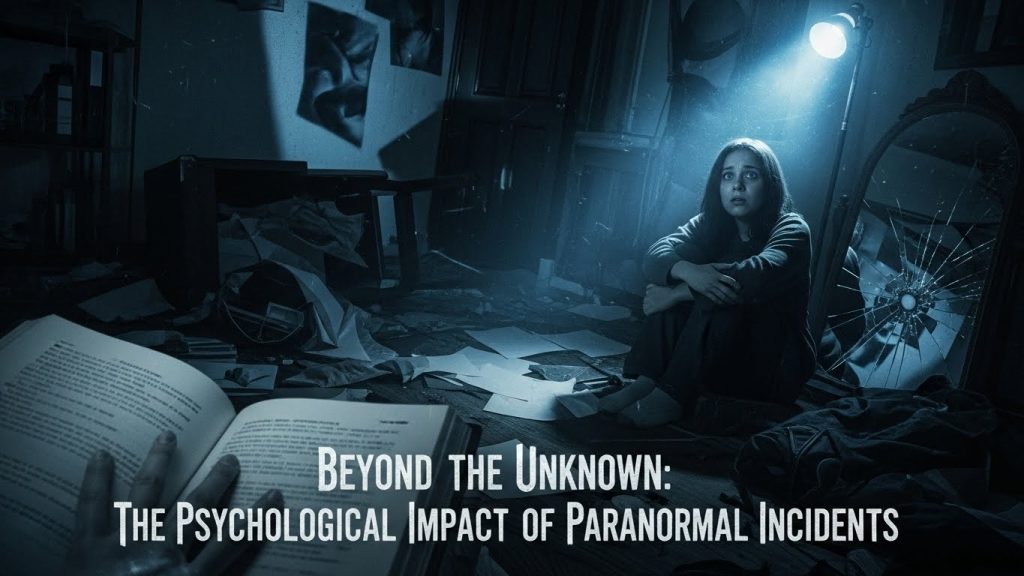
Beyond the Unknown: The Psychological Impact of Paranormal Incidents
The allure of the paranormal has captivated human curiosity for centuries. From ghostly apparitions to unexplained phenomena, the unknown beckons with a mysterious charm. But what happens when these encounters transcend mere fascination and impact the psyche? This post delves into the psychological effects of paranormal incidents, unraveling their complexities and exploring their broader implications.
The Human Fascination with the Paranormal
Throughout history, humans have been intrigued by the supernatural. Tales of ghost stories, haunted locations, and unexplained occurrences have permeated cultures worldwide. This fascination often stems from a desire to understand the unknown and confront the limits of human perception. But beyond entertainment, these stories can have profound psychological effects, altering belief systems and affecting mental health.
The Psychology of Belief
Belief in the paranormal is a complex psychological phenomenon. Factors such as cultural background, personal experiences, and individual psychology all play a role in shaping one’s belief in the supernatural. Studies suggest that people who have had paranormal experiences, or those who are more open to such phenomena, tend to exhibit higher levels of creativity and a greater tendency towards imaginative thinking. However, belief in the paranormal can also result in cognitive biases, such as the tendency to perceive patterns where none exist.
Experiencing the Unexplained: Psychological Effects

Encounters with the paranormal can trigger a range of psychological responses. For some, these experiences may lead to positive feelings of wonder and increased spirituality. For others, they can result in fear, anxiety, and even trauma. The intensity of the psychological impact often depends on the nature of the encounter, the individual’s pre-existing beliefs, and their ability to process the event rationally.
Positive Psychological Outcomes
While often associated with fear and apprehension, paranormal experiences can also yield positive psychological outcomes. For many, these encounters are transformative, prompting a reevaluation of personal beliefs and a deeper connection to the spiritual realm. Such experiences can enhance creativity, provide comfort in the notion of an afterlife, and even foster a sense of community among those with shared experiences.
Negative Psychological Effects
Conversely, the psychological toll of paranormal incidents can be severe. Encounters that evoke fear or defy rational explanation may lead to post-traumatic stress disorder (PTSD)-like symptoms, particularly if the experience is perceived as threatening. Individuals may suffer from sleep disturbances, heightened anxiety, and an overwhelming sense of vulnerability. In extreme cases, such experiences can exacerbate pre-existing mental health conditions, necessitating professional intervention.
Social and Cultural Implications
The psychological impact of paranormal incidents extends beyond the individual, influencing broader societal and cultural dynamics. Communities may rally around shared supernatural experiences, giving rise to folklore and legends that become integral to cultural identity. However, societal reactions can also be dismissive or stigmatizing, isolating those who report paranormal experiences and discouraging open discussion.
Cultural Narratives and Shared Beliefs
Cultural narratives play a significant role in shaping perceptions of the paranormal. In some societies, supernatural beliefs are deeply ingrained, influencing religious practices and everyday life. These shared beliefs can provide a sense of belonging and continuity, particularly in communities where the paranormal is accepted as a natural aspect of existence. However, the perpetuation of certain narratives can also lead to fear-mongering and the marginalization of dissenting voices.
The Stigma of Paranormal Experiences
Despite growing interest in the paranormal, stigmatization remains a significant barrier for individuals seeking to validate their experiences. Skepticism and ridicule can deter individuals from sharing their encounters, leading to isolation and self-doubt. This stigma is often perpetuated by mainstream media portrayals, which frequently depict paranormal believers as irrational or mentally unstable.
Scientific Exploration of the Paranormal
The scientific community has long grappled with the challenge of studying paranormal phenomena. While anecdotal evidence abounds, empirical research remains limited and often controversial. Skeptics argue that many paranormal experiences can be attributed to psychological factors, such as the power of suggestion or the confirmation bias.
Research and Methodologies
Despite the challenges, some researchers continue to explore the paranormal using rigorous scientific methodologies. These studies often focus on phenomena such as ESP (extrasensory perception), telekinesis, and ghost sightings. While conclusive evidence remains elusive, ongoing research seeks to bridge the gap between anecdotal accounts and scientific understanding, aiming to provide a more nuanced perspective on these enigmatic occurrences.
The Role of Technology
Advancements in technology have also contributed to the exploration of the paranormal. Tools such as electromagnetic field meters, infrared cameras, and audio recording devices are commonly employed by paranormal investigators in an attempt to capture evidence of supernatural activity. While these technologies offer intriguing possibilities, they also raise questions about the reliability and interpretation of collected data.
Conclusion: Understanding the Unseen
The psychological impact of paranormal incidents is a multifaceted subject that intertwines personal belief, cultural narratives, and scientific inquiry. While the allure of the unknown continues to captivate, it is essential to approach these experiences with an open mind and a critical perspective. By fostering a deeper understanding of the psychological effects of the supernatural, we can better navigate the delicate interplay between belief and reality, ultimately enriching our comprehension of the human experience.
As we continue to explore the mysteries of the paranormal, it is crucial to support those who seek to share their experiences, promoting an inclusive dialogue that respects diverse perspectives. By doing so, we pave the way for greater acceptance and understanding, allowing the unknown to inspire rather than intimidate.
Practical Approaches to Managing Paranormal Experiences
For those who find themselves grappling with the aftermath of a paranormal encounter, practical strategies can be invaluable in managing the psychological impact. These approaches often involve a combination of self-reflection, community support, and professional guidance.
Self-Reflection and Journaling
Journaling can be a powerful tool for individuals processing paranormal experiences. By writing down their thoughts and emotions, individuals can gain clarity and perspective, helping to demystify the encounter and reduce anxiety. This practice encourages introspection and can reveal patterns or triggers that may contribute to one’s perception of the supernatural.
Seeking Community Support
Connecting with others who have had similar experiences can provide comfort and validation. Support groups, both online and offline, offer a safe space for individuals to share their stories without fear of judgment. These communities can foster a sense of belonging and offer insights into coping mechanisms that others have found effective.
Professional Guidance
In cases where paranormal experiences lead to significant psychological distress, seeking professional help is crucial. Mental health professionals can provide strategies to manage anxiety, address trauma-related symptoms, and help individuals differentiate between reality and perception. Cognitive-behavioral therapy (CBT) and other therapeutic approaches can be particularly beneficial in these contexts.
The Role of Media in Shaping Perceptions
Media representations of the paranormal have a profound influence on public perceptions and individual experiences. Movies, television shows, and literature often dramatize or romanticize supernatural events, shaping societal attitudes and expectations.
Influence on Belief Systems
Media portrayals can reinforce existing beliefs or introduce new concepts, affecting how individuals interpret their own experiences. For example, popular television shows about ghost hunting can legitimize the idea of haunted locations, prompting viewers to seek out similar experiences in their own lives. This phenomenon underscores the need for critical media literacy, allowing individuals to discern between entertainment and reality.
Sensationalism and Fear
While media can spark interest and curiosity, it can also perpetuate fear and misinformation. Sensationalized depictions of the paranormal often emphasize danger and malevolence, heightening anxiety and contributing to the stigmatization of those who report supernatural encounters. To counteract this, it is essential for media creators to approach the subject with sensitivity and accuracy, prioritizing balanced narratives over sensationalism.
The Future of Paranormal Studies
As interest in the paranormal continues to grow, the future of paranormal studies looks promising. Advances in technology and interdisciplinary research are paving the way for new insights into these enigmatic phenomena.
Interdisciplinary Collaboration
Collaborations between scientists, psychologists, anthropologists, and other experts are essential for advancing our understanding of the paranormal. By combining different perspectives and methodologies, researchers can develop comprehensive approaches that address both the psychological and cultural dimensions of supernatural experiences.
Technological Innovations
Emerging technologies hold the potential to revolutionize paranormal research. Innovations in virtual reality (VR) and augmented reality (AR) offer new ways to simulate and study supernatural experiences, providing valuable data on how individuals perceive and react to these events. These technologies can also enhance public engagement, offering immersive experiences that demystify the science behind the paranormal.
Conclusion: Embracing the Mystery
The realm of the paranormal invites us to explore the boundaries of human understanding and confront the mysteries that lie beyond. By examining the psychological impact of these experiences, we gain valuable insights into the human mind and its capacity for wonder. As we continue to unravel the enigma of the supernatural, it is crucial to embrace both skepticism and openness, allowing each encounter to deepen our appreciation for the complexity of the world around us.
Ultimately, the study of paranormal incidents is not just about uncovering evidence of the supernatural; it is about understanding the ways in which these experiences shape our lives, beliefs, and interactions with the unknown. By fostering a culture of curiosity and respect, we can ensure that the exploration of the paranormal remains a source of inspiration and discovery for generations to come.
About the Author