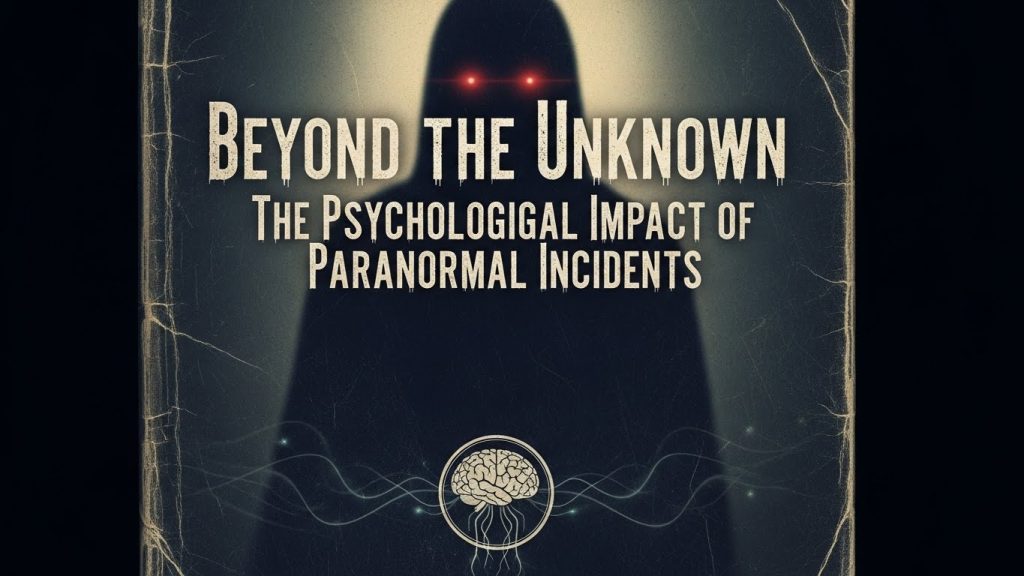
Beyond the Unknown: The Psychological Impact of Paranormal Incidents
Throughout history, humanity has been fascinated by the paranormal. From ghostly apparitions to unexplained phenomena, these experiences often evoke a mix of fear, curiosity, and skepticism. While many dismiss paranormal incidents as mere figments of the imagination, their psychological impact on those who encounter them is profound and complex. This article explores the intricate relationship between the paranormal and the psyche, delving into how these mysterious experiences affect mental health, belief systems, and cultural perceptions.
The Nature of Paranormal Experiences
Paranormal incidents encompass a broad range of phenomena, including ghost sightings, poltergeist activity, out-of-body experiences, and encounters with unidentified flying objects (UFOs). These events often defy scientific explanation, leading to a dichotomy between believers and skeptics. The psychology of belief plays a crucial role in shaping how individuals interpret and react to these occurrences.
For some, witnessing a paranormal incident can be a transformative experience, confirming long-held beliefs about the supernatural. For others, it may trigger a crisis of reality, challenging their understanding of the world. Regardless of one’s stance, the emotional impact of such experiences can be significant, influencing mental well-being and personal identity.
Psychological Impact on Mental Health
The psychological impact of paranormal experiences can vary widely, depending on factors such as cultural background, personal beliefs, and the nature of the incident. For some individuals, these experiences may lead to positive psychological outcomes, such as increased spiritual awareness or a sense of connection to something greater than themselves.

However, for many, the impact can be negative. Paranormal incidents can cause intense fear, anxiety, and even trauma. In some cases, individuals may develop post-traumatic stress disorder (PTSD) as a result of a particularly distressing experience. According to a study published by the American Psychological Association, unexpected and uncontrollable events, such as those perceived to be paranormal, can have lasting effects on an individual’s mental health.
Moreover, the stigma associated with discussing paranormal experiences can exacerbate these issues. Many people fear ridicule or disbelief from others, leading them to suppress their experiences and emotions. This can result in feelings of isolation and exacerbate mental health problems.
The Role of Cultural and Social Influences
Cultural and social contexts play a significant role in shaping how paranormal experiences are perceived and interpreted. In some cultures, belief in the supernatural is deeply embedded in societal norms and traditions. For example, in many Indigenous cultures, spirits and otherworldly entities are considered a natural part of the world. In these contexts, paranormal experiences may be viewed as affirmations of cultural beliefs and identity.
Conversely, in cultures where scientific rationalism predominates, paranormal experiences may be dismissed as hallucinations or psychological disturbances. This dichotomy can create tension for individuals who experience paranormal phenomena, as they may feel caught between different belief systems. The cultural perspective on ghosts and hauntings often influences how individuals report and process their experiences.
Belief Systems and Cognitive Dissonance
Belief systems play a crucial role in how people interpret and react to paranormal incidents. For individuals with strong convictions in the supernatural, such experiences can reinforce their beliefs and provide a sense of validation. However, for skeptics or those with conflicting beliefs, these incidents can create cognitive dissonance—a state of mental discomfort arising from holding two contradictory beliefs.
Cognitive dissonance can lead to various coping mechanisms, such as rationalizing the experience or dismissing it as a trick of the mind. Some individuals may seek out additional information or experiences to resolve the dissonance, while others may choose to suppress or ignore the conflicting beliefs. The process of reconciling these differences can be psychologically taxing, often requiring significant mental and emotional effort.
Scientific Explanations and Skepticism
While belief in the paranormal is widespread, many scientists and skeptics seek to explain these phenomena through naturalistic means. Psychological theories suggest that many paranormal experiences can be attributed to cognitive biases, such as pattern recognition, suggestibility, and the tendency to see faces or figures in random stimuli. The scientific understanding of ghost phenomena often points to psychological and environmental factors.
Additionally, some researchers propose that certain neurological conditions, such as sleep paralysis or temporal lobe epilepsy, may account for reports of ghostly encounters or alien abductions. While these explanations offer a rational perspective on paranormal phenomena, they do not account for all experiences, leaving room for further exploration and debate.
Coping Strategies for Those Affected
For individuals affected by paranormal experiences, finding effective coping strategies is crucial for maintaining mental and emotional well-being. Support groups and online communities dedicated to discussing paranormal phenomena can provide a sense of validation and understanding, reducing feelings of isolation.
Additionally, therapeutic approaches, such as cognitive-behavioral therapy (CBT), can help individuals process and reframe their experiences in a more positive light. Engaging with both believers and skeptics in a respectful dialogue can also promote a broader understanding of paranormal incidents and their impact on the human psyche.
Takeaways
The psychological impact of paranormal incidents is a multifaceted and complex subject that continues to intrigue and challenge both believers and skeptics alike. While scientific explanations offer valuable insights, the personal and emotional dimensions of these experiences cannot be overlooked. By exploring the interplay between the paranormal and the psyche, we gain a deeper understanding of the diverse ways in which these enigmatic phenomena shape our beliefs, cultures, and mental health. As we venture beyond the unknown, it is essential to approach the subject with an open mind and a willingness to explore the mysteries of the human experience.
Future Research and Exploration
The study of paranormal phenomena remains an evolving field, bridging the gap between science, psychology, and cultural studies. As technology advances, researchers have new tools at their disposal to explore and document these experiences in ways that were not previously possible. Enhanced recording devices, environmental sensors, and psychological assessment tools allow for a more comprehensive analysis of paranormal activity and its effects on individuals.
Future research may focus on the neurological underpinnings of paranormal experiences, examining how brain activity correlates with reports of supernatural events. Understanding the brain’s role in these phenomena could provide insights into why certain individuals are more prone to experiencing or believing in the paranormal. The intersection of psychology and neuroscience offers a promising avenue for such exploration.
The Importance of Open-Minded Skepticism
In the quest to understand paranormal incidents, maintaining a balance between skepticism and open-mindedness is essential. While it is crucial to approach these phenomena with scientific rigor, dismissing them outright without consideration can hinder our understanding. Open-minded skepticism encourages exploration and dialogue, allowing for a broader and more nuanced perspective.
This approach can also foster collaboration between believers and skeptics, creating a space for mutual respect and learning. By acknowledging and validating personal experiences while seeking rational explanations, we can contribute to a more comprehensive understanding of the paranormal and its impact on human psychology.
Paranormal Incidents as a Reflection of the Human Condition
Ultimately, paranormal experiences offer a unique lens through which to examine the human condition. They challenge our perceptions of reality and invite us to question the boundaries of our understanding. Whether they are manifestations of psychological processes or glimpses into an unknown realm, these phenomena reflect the complexities of human belief, emotion, and identity.
By studying paranormal incidents, we gain insights not only into the mysteries of the supernatural but also into the intricacies of the human mind. These experiences remind us of the vastness of what we do not know, encouraging a sense of wonder and curiosity that drives both scientific inquiry and personal exploration.
Personal Narratives and Their Role
Personal narratives play a crucial role in the discourse surrounding paranormal incidents. Sharing stories of supernatural encounters allows individuals to process their experiences and find solace in knowing they are not alone. These narratives also contribute to a collective understanding of the paranormal, enriching the cultural tapestry of human experience.
As more people come forward with their stories, a diverse array of perspectives emerges, highlighting the varied ways in which paranormal phenomena are perceived and interpreted. These narratives can serve as a valuable resource for researchers, providing firsthand accounts that offer depth and nuance to the study of the supernatural.
Conclusion: Embracing the Mystery
In conclusion, the psychological impact of paranormal incidents is a profound and multifaceted subject that transcends simple explanations. Whether viewed through the lens of science, culture, or personal belief, these experiences continue to captivate and intrigue. By embracing the mystery and exploring the unknown with an open mind, we honor the complexity of the human experience and the endless possibilities it holds.
As we continue to investigate the psychological impact of paranormal incidents, we are reminded of the importance of curiosity, empathy, and understanding. These qualities not only enrich our exploration of the supernatural but also deepen our connection to ourselves and the world around us. In the end, the journey into the unknown is as much about self-discovery as it is about uncovering the secrets of the paranormal.
About the Author