Fact or Fiction: Demystifying the Myths of Paranormal Science
Paranormal science often finds itself shrouded in mystery and skepticism. From ghostly apparitions to telepathic abilities, the field is rife with phenomena that challenge our understanding of the natural world. Despite the intrigue and fascination, paranormal science remains controversial. Many dismiss it as pseudoscience, while others believe it holds the key to untapped human potential. In this blog post, we will delve into the myths surrounding paranormal science and attempt to separate fact from fiction.
Understanding Paranormal Science
Paranormal science, often referred to as parapsychology, is the study of phenomena that cannot be explained by conventional scientific understanding. This includes topics like telepathy, precognition, psychokinesis, and ghost hunting. While mainstream science often dismisses these areas, they continue to captivate the public’s imagination and spark debates among researchers and enthusiasts alike.
Common Myths and Misconceptions
Myth 1: Paranormal Phenomena Are Rare
Many people believe that paranormal phenomena are rare and only occur in isolated incidents. However, numerous studies and surveys suggest otherwise. For instance, a Gallup poll revealed that three in four Americans profess belief in at least one paranormal phenomenon. This widespread belief indicates that such experiences may be more common than we think.
Myth 2: Paranormal Science Has No Scientific Basis
Another prevalent myth is that paranormal science lacks scientific basis. While it’s true that some aspects are difficult to study under traditional scientific methods, there are ongoing efforts to bring rigor and credibility to the field. For example, the Rhine Research Center conducts scientific investigations into parapsychology and publishes peer-reviewed findings. These studies are not only advancing our understanding but also challenging the notion that paranormal science is purely pseudoscientific.
Myth 3: Ghosts Are Proven to Exist
Ghosts are perhaps the most iconic element of paranormal science. Many people claim to have seen or felt the presence of spirits, but scientific evidence remains elusive. Various theories, such as infrasound and electromagnetic fields, have been proposed to explain ghost sightings. Nonetheless, the psychological explanations of these experiences often point to cognitive biases and environmental factors rather than supernatural entities.
Scientific Approaches to Paranormal Phenomena
Controlled Experiments and Studies
To bring scientific rigor to paranormal investigations, researchers employ controlled experiments. One well-known study is the Ganzfeld experiment, which tests for telepathic abilities by isolating participants in sensory deprivation conditions. Despite mixed results, some experiments have shown statistically significant outcomes, suggesting that telepathy might be possible under specific conditions. The Koestler Parapsychology Unit is one of the leading research centers conducting such experimental studies.
Technological Advancements
Advancements in technology have also played a crucial role in paranormal science. Tools like electromagnetic field meters, infrared cameras, and audio recorders are frequently used in ghost hunting and other paranormal investigations. While these technologies have provided interesting data, they have yet to offer definitive proof of paranormal phenomena. Instead, they often highlight the complexity and challenges of studying such elusive subjects.
The Cultural Impact of Paranormal Science
Paranormal science has a profound cultural impact, influencing literature, film, and art. Stories of ghosts and supernatural events are deeply rooted in folklore and continue to inspire modern storytelling. The popularity of paranormal-themed shows and movies reflects society’s fascination with the unknown and its desire to explore the limits of human understanding. This cultural significance underscores the importance of continuing research and open-mindedness in the field.
Conclusion: The Future of Paranormal Science
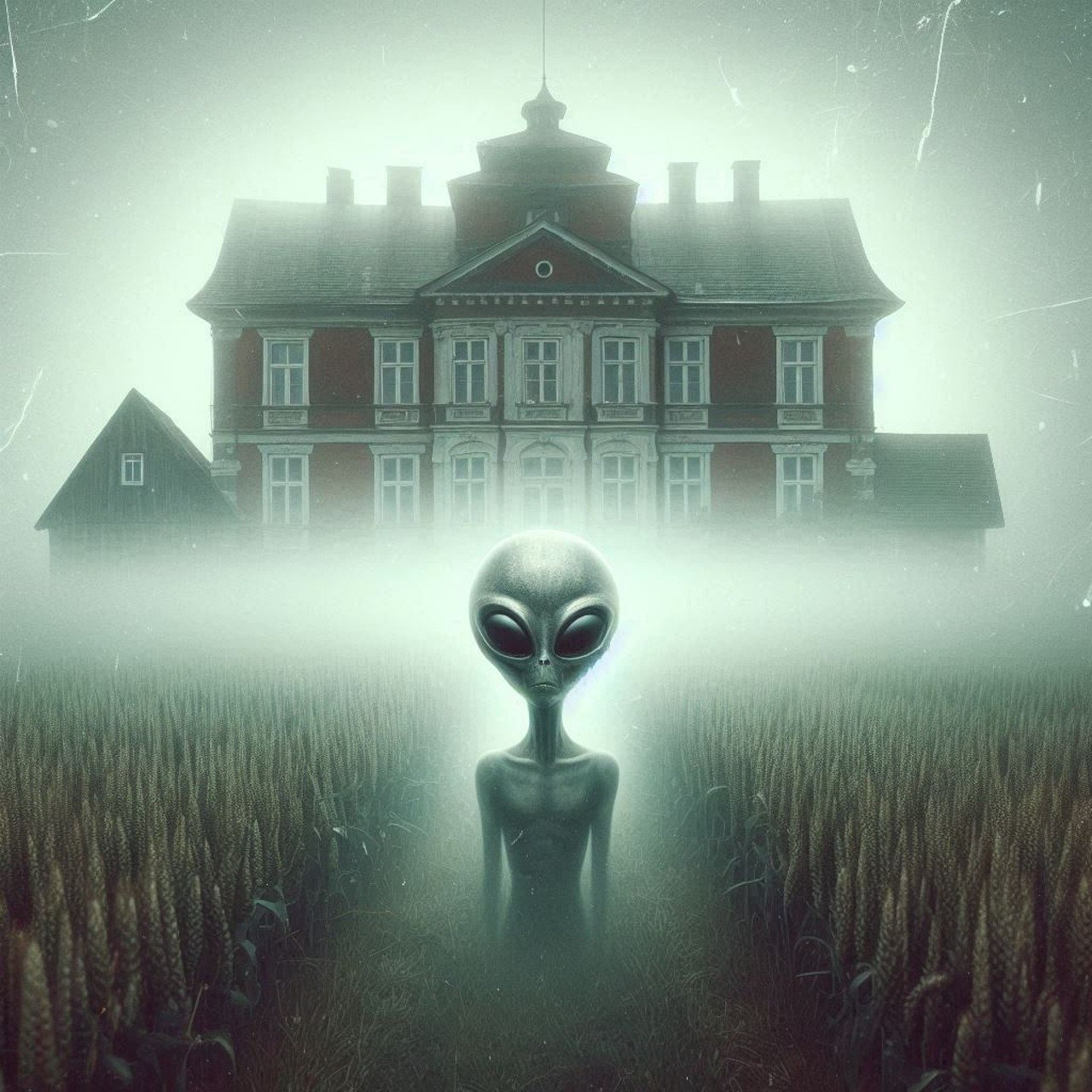
As we continue to explore the mysteries of the paranormal, it’s essential to approach the field with a balance of skepticism and curiosity. While many questions remain unanswered, ongoing research and technological advancements offer hope for new discoveries. By separating fact from fiction, we can advance our understanding of these phenomena and their potential implications for science and society. Whether you’re a believer or a skeptic, the journey into the realm of paranormal science promises to be an intriguing and enlightening one.
The Role of Skepticism in Paranormal Science
Skepticism plays an essential role in paranormal science, serving as a counterbalance to uncritical belief. A skeptical approach encourages rigorous testing and evidence-based conclusions. It challenges researchers to substantiate claims through repeatable results and peer-reviewed publications. This scrutiny helps to distinguish genuine phenomena from misinterpretations or fraudulent activities.
Debunking and Critical Analysis
Many organizations and individuals dedicate their efforts to debunking paranormal claims. Groups like the Committee for Skeptical Inquiry analyze paranormal phenomena critically, seeking natural explanations for unexplained events. For example, many ghost sightings and poltergeist activities have been attributed to psychological factors, environmental conditions, or even hoaxes. This critical analysis is vital in ensuring that the field progresses on a foundation of factual evidence rather than myth.
Paranormal Science and the Human Experience
The study of paranormal science is not just about unraveling unexplained phenomena; it’s also about understanding the human experience. Belief in the paranormal can influence individuals’ perceptions, behaviors, and emotions. It can offer comfort in the face of uncertainty or loss, and foster a sense of connection to something greater than ourselves.
The Psychological Perspective
Psychologists have long been interested in why people believe in the paranormal. Factors such as cognitive biases, pattern recognition, and the human tendency to seek meaning in randomness all play a role. In some cases, these beliefs can be beneficial, providing coping mechanisms during stressful times. However, when such beliefs lead to anxiety or interfere with reality testing, they may require professional intervention.
Global Perspectives on Paranormal Science
Paranormal beliefs and their acceptance vary widely across different cultures and societies. What one culture may regard as a paranormal event, another might see as a natural occurrence. Understanding these global perspectives enriches the study of paranormal science and highlights the diverse ways in which humans interpret the unknown.
Cultural Beliefs and Traditions
In many cultures, paranormal phenomena are deeply intertwined with spiritual and religious beliefs. For instance, in some Indigenous cultures, spirits and ancestors play a critical role in everyday life, guiding decisions and imparting wisdom. Similarly, Eastern philosophies often incorporate elements of the supernatural, emphasizing energies and forces beyond our immediate perception. These cultural frameworks provide valuable insights into how different societies conceptualize and interact with the paranormal.
Challenges and Ethical Considerations
Paranormal science faces several challenges, not least of which are ethical considerations. Researchers must navigate issues such as informed consent, respect for cultural beliefs, and the potential psychological impact on participants. Ensuring ethical standards are met is crucial for maintaining the integrity of the field.
Informed Consent and Participant Safety
In studies involving paranormal phenomena, obtaining informed consent is paramount. Participants should be fully aware of the nature of the research and any potential risks involved. Researchers must also be prepared to address any psychological distress participants may experience during or after the investigation. Ethical guidelines, like those set forth by the American Psychological Association, provide a framework for conducting ethical research in this complex field.
The Path Forward: Innovations and Discoveries
Looking to the future, innovations in technology and methodology hold promise for advancing paranormal science. As our tools and techniques become more sophisticated, so too does our ability to investigate and understand the unknown. Collaborative efforts between scientists, technologists, and paranormal researchers are paving the way for new discoveries.
Interdisciplinary Collaboration
The integration of multiple disciplines, from psychology to physics, is crucial for driving forward our understanding of paranormal phenomena. Interdisciplinary collaboration fosters innovation and allows for more comprehensive investigations. By pooling expertise and resources, researchers can tackle complex questions and uncover insights that would be difficult to achieve in isolation.
Conclusion: Embracing the Mystery
The study of paranormal science invites us to embrace the mystery of the unknown. While skepticism and scientific rigor are vital, so too is the willingness to explore the boundaries of our understanding. As we continue to demystify the myths surrounding paranormal science, we open the door to new possibilities and profound questions about the nature of reality. Whether seeking answers or simply marveling at the unexplained, the journey into the paranormal is a fascinating and ever-evolving exploration.
Educational Opportunities in Paranormal Science
As interest in paranormal science grows, so do educational opportunities in the field. Universities and research institutions are increasingly offering courses and workshops that explore paranormal phenomena from a scientific perspective. These educational programs aim to equip students with the critical thinking skills and scientific knowledge necessary to investigate the paranormal in a rigorous and systematic manner.
Courses and Workshops
Institutions like the University of Edinburgh offer courses in parapsychology, allowing students to delve into the study of psychic phenomena, extrasensory perception, and other related topics. Workshops and seminars often feature guest speakers who are experts in the field, providing firsthand insights into current research and methodologies. These programs not only educate students but also encourage them to question and explore the boundaries of conventional science.
The Role of Media in Shaping Perceptions
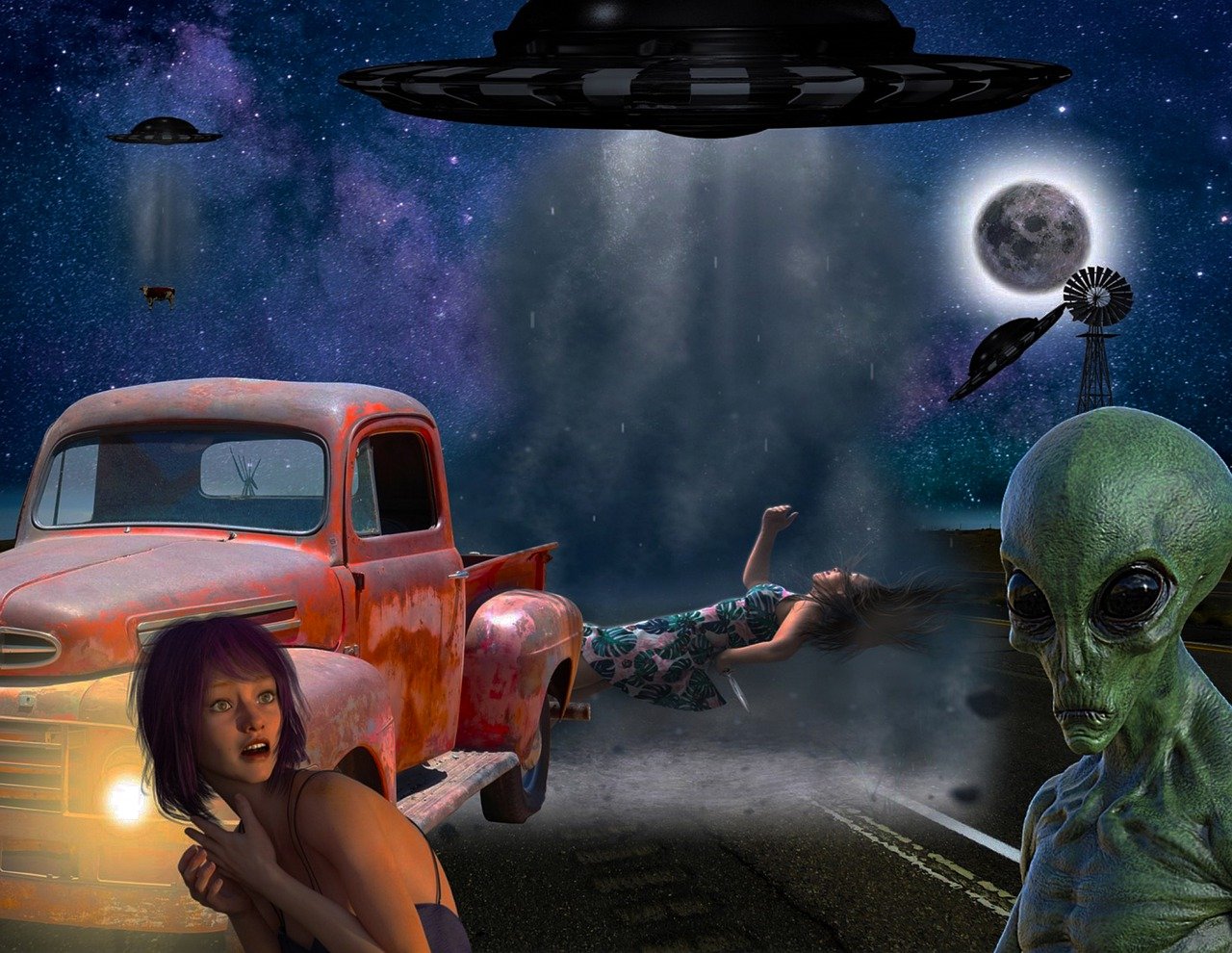
The media plays a significant role in shaping public perceptions of paranormal science. Television shows, movies, and documentaries often dramatize paranormal phenomena, creating a blend of fact and fiction that can be misleading. While these portrayals can spark interest and curiosity, they also risk perpetuating myths and misconceptions.
Responsible Reporting and Storytelling
Responsible reporting is essential in conveying accurate information about paranormal science. Journalists and content creators have a duty to distinguish between entertainment and empirical evidence. By providing balanced coverage and consulting with experts, the media can contribute positively to public understanding and interest in the paranormal.
Public Involvement and Citizen Science
Public involvement in paranormal science is increasingly common, with citizen science projects allowing enthusiasts to contribute to research efforts. These projects enable individuals to collect data, participate in investigations, and collaborate with professional researchers. Such initiatives democratize the study of the paranormal and provide valuable data that can help advance the field.
Participatory Research Projects
Projects like the Global Consciousness Project invite participants to engage in experiments that explore the interconnectedness of human consciousness. By contributing to these large-scale studies, individuals can play a role in uncovering new insights into the nature of consciousness and its potential paranormal aspects. This participatory approach not only enriches the research process but also fosters a sense of community and shared purpose among participants.
Final Thoughts: Embracing Curiosity
In conclusion, the exploration of paranormal science is a journey that challenges our perceptions and expands our understanding of the world. While skepticism remains essential, embracing curiosity and remaining open to new possibilities can lead to remarkable discoveries. As we continue to demystify the myths of paranormal science, we encourage a balanced approach that values both scientific rigor and the innate human desire to explore the unknown. Whether through education, media, or public involvement, the quest to understand paranormal phenomena remains a captivating and evolving pursuit.
About the Author