The Evolution of Paranormal Science: From Ancient Beliefs to Modern Day Investigations
Paranormal science, a field that has captivated human interest for centuries, has evolved significantly from ancient beliefs to the sophisticated investigations conducted today. This journey through time reflects both the enduring fascination with the unknown and the increasing application of scientific principles to understand phenomena that defy conventional explanation. This blog post delves into the fascinating evolution of paranormal science, highlighting its historical roots, contemporary practices, and the future of this intriguing field.
The Origins of Paranormal Beliefs
The origins of paranormal beliefs can be traced back to ancient civilizations that sought to explain the mysteries of the world through supernatural means. In ancient Egypt, for example, the belief in an afterlife and the existence of spirits played a crucial role in their religious practices. Similarly, the shamanistic traditions of indigenous cultures around the world emphasized communication with the spirit world, often attributing natural phenomena to the actions of deities and spirits.
In ancient Greece and Rome, philosophers and scholars like Pythagoras and Plato explored the concept of the soul and its immortality. The Roman historian Pliny the Elder documented numerous supernatural occurrences, blending folklore with historical accounts. These early interpretations of paranormal phenomena laid the groundwork for future explorations into the unknown.
Medieval and Renaissance Perspectives
During the medieval period, the influence of Christianity significantly shaped perceptions of the paranormal. Witch hunts and inquisitions were rampant, as religious authorities sought to root out heresy and demonic influences. This period was marked by fear and superstition, with tales of witchcraft and hauntings captivating the public imagination.

As the Renaissance dawned, a renewed interest in science and reason began to challenge traditional beliefs. The works of scholars such as Paracelsus, a Swiss physician and alchemist, merged science with mysticism, exploring topics like alchemy, astrology, and the influence of celestial bodies on human affairs. The Renaissance laid the foundation for a more methodical approach to studying paranormal phenomena, paving the way for future scientific inquiry.
The Birth of Paranormal Science in the 19th Century
The 19th century witnessed the formal emergence of paranormal science, driven by a burgeoning interest in spiritualism and the occult. The Spiritualist movement, which began in the United States and spread to Europe, popularized séances, mediumship, and communication with the dead. Figures like the Fox sisters became household names, as they claimed to converse with spirits through mysterious rapping sounds.
During this time, the Society for Psychical Research (SPR) was founded in 1882. This organization aimed to investigate paranormal phenomena using scientific methods, marking a significant departure from purely anecdotal accounts. With members like Sir William Crookes, a renowned chemist and physicist, the SPR conducted experiments and documented cases of hauntings, telepathy, and other supernatural occurrences, establishing a precedent for future scientific inquiry into the paranormal.
20th Century: The Rise of Scientific Investigations
The 20th century saw rapid advancements in technology and a growing interest in applying scientific principles to study paranormal phenomena. Parapsychology emerged as a distinct field of study, focusing on phenomena such as telekinesis, ESP (extrasensory perception), and psi abilities. Universities like Duke University in the United States established parapsychology labs to conduct controlled experiments and gather empirical data.
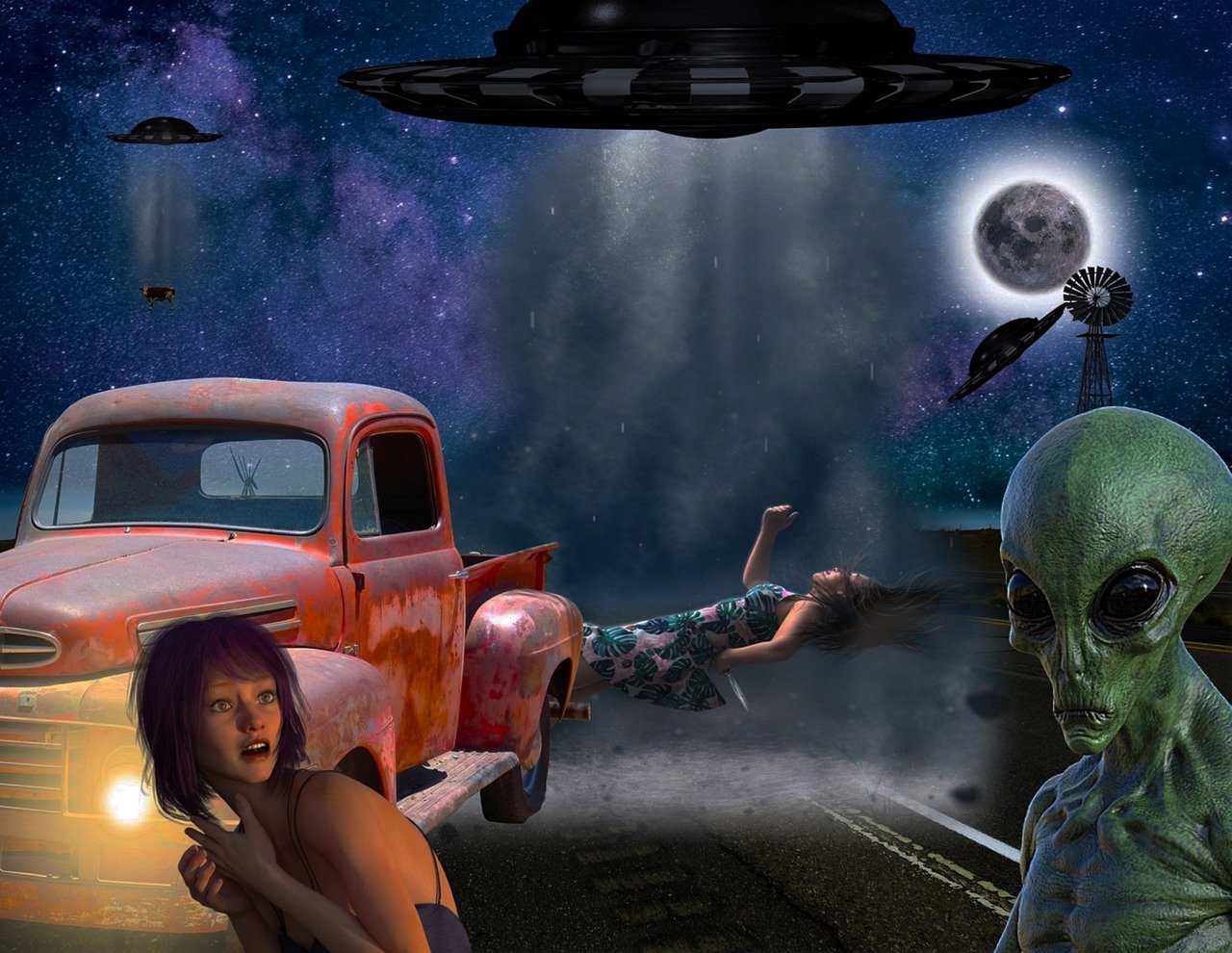
One notable figure in this era was J.B. Rhine, often considered the father of modern parapsychology. Rhine’s research on ESP using statistical methods brought a new level of credibility to the field. His work inspired a generation of researchers to explore the boundaries of human consciousness and its interactions with the environment.
Modern Day Investigations and Technology
In recent decades, technological advancements have revolutionized the investigation of paranormal phenomena. Ghost hunters and paranormal investigators now employ a range of tools, including EMF (electromagnetic field) detectors, infrared cameras, and thermal imaging devices, to capture evidence of ghostly activity. Popular television shows like “Ghost Hunters” and “Paranormal State” have brought these investigations into mainstream culture, sparking widespread interest in the paranormal.
Furthermore, the integration of technology with paranormal investigations has led to the development of new methodologies. For example, researchers utilize sound analysis software to detect anomalous sounds, while others employ advanced photography techniques to capture fleeting apparitions. The internet has also played a crucial role in fostering a global community of enthusiasts who share experiences and findings.
The Future of Paranormal Science
As the field of paranormal science continues to evolve, the future holds exciting possibilities for further exploration and understanding. Interdisciplinary approaches that combine elements of psychology, neuroscience, and quantum physics may provide new insights into the nature of consciousness and its interaction with the physical world.
Moreover, advancements in artificial intelligence and machine learning could enhance the analysis of data collected during investigations, enabling researchers to identify patterns and correlations that were previously overlooked. Ethical considerations will also play a crucial role, as scientists strive to balance rigorous research with respect for cultural and spiritual beliefs.
Takeaways
The evolution of paranormal science from ancient beliefs to modern-day investigations reflects humanity’s enduring quest to understand the mysteries of existence. While skepticism and controversy continue to surround the field, the application of scientific methods has brought a new level of credibility to the study of the paranormal. As technology advances and interdisciplinary collaborations flourish, the future promises exciting opportunities to unravel the enigmatic world of paranormal phenomena.
For those interested in further exploration, resources such as the Society for Psychical Research and the Parapsychological Association offer valuable insights and research findings, continuing to bridge the gap between science and the supernatural.
The journey of paranormal science is a testament to the human spirit’s unyielding curiosity and desire to explore the unknown. As we advance technologically and scientifically, the potential to uncover deeper truths about paranormal phenomena grows. The integration of cutting-edge technology and scientific rigor provides researchers and enthusiasts alike with powerful tools to delve into the mysteries that have intrigued humanity for centuries.
The Role of Cultural Influence on Paranormal Beliefs
One cannot explore the evolution of paranormal science without acknowledging the profound impact of cultural beliefs and traditions. Different cultures have unique interpretations and explanations for paranormal phenomena, which have, in turn, influenced scientific exploration. For instance, in Japan, the concept of “yurei,” or ghostly spirits, has been a part of folklore for centuries. These beliefs have influenced modern paranormal studies in Japan, encouraging a blend of traditional and scientific approaches to understanding ghostly encounters.
Similarly, in India, the belief in “preta” or wandering spirits has deep roots in Hindu mythology. These cultural narratives have shaped the way paranormal phenomena are perceived and investigated, with researchers often considering cultural context when analyzing evidence. Such cultural influences highlight the importance of understanding the diverse perspectives that contribute to the field of paranormal science.
Challenges and Criticisms in Paranormal Science
Despite its advancements, paranormal science faces significant challenges and criticisms, particularly from the scientific community. Skeptics often criticize the lack of empirical evidence and the potential for confirmation bias in paranormal investigations. The subjective nature of personal experiences and anecdotal evidence makes it difficult to establish concrete scientific theories.
Moreover, ethical concerns arise when investigating sensitive topics such as hauntings or spirit communication. Researchers must navigate the delicate balance between scientific inquiry and respect for personal beliefs and experiences. These challenges underscore the importance of maintaining rigorous standards and ethical considerations in paranormal research.
The Interdisciplinary Approach: Bridging Science and the Supernatural
To overcome these challenges, some researchers advocate for an interdisciplinary approach that bridges traditional scientific disciplines with paranormal studies. By incorporating insights from fields like psychology, neuroscience, and anthropology, researchers can gain a more comprehensive understanding of paranormal phenomena. This approach fosters collaboration and encourages the development of new methodologies that may yield valuable insights.
For example, exploring the psychological aspects of paranormal experiences can provide insights into how the human brain processes and interprets unexplained events. Similarly, advancements in neuroscience may help unravel the mysteries of consciousness and its potential connection to the paranormal. Such interdisciplinary collaborations have the potential to revolutionize our understanding of the supernatural, offering new avenues for exploration and discovery.
Public Perception and Media Influence
Public perception of paranormal science is heavily influenced by media representations, which can both aid and hinder scientific exploration. Popular culture, through movies, television shows, and literature, often sensationalizes paranormal phenomena, shaping public attitudes and expectations. While media exposure can raise awareness and interest in the field, it also risks perpetuating myths and misconceptions.
Nonetheless, responsible media portrayals and educational initiatives can play a crucial role in promoting a balanced understanding of paranormal science. Documentaries and educational programs that focus on scientific investigations and empirical evidence can help demystify paranormal phenomena and encourage critical thinking. By fostering informed discussions and encouraging skepticism, media can contribute positively to the field of paranormal science.
Conclusion: A Journey of Discovery
The evolution of paranormal science is a journey that reflects humanity’s enduring quest to understand the mysteries that lie beyond the veil of the known. From ancient beliefs rooted in folklore and spirituality to the sophisticated investigations of today, the field has come a long way. As we continue to explore the intersections of science, culture, and the supernatural, the potential for discovery remains boundless.
The future of paranormal science depends on a commitment to scientific rigor, interdisciplinary collaboration, and a willingness to embrace the unknown. By bridging the gap between science and the supernatural, we can continue to unravel the mysteries that have captivated human imagination for millennia. As researchers push the boundaries of knowledge and technology, the evolution of paranormal science promises to be a fascinating and enlightening journey.
About the Author